 English
 русский
 Español
 عربى
عربى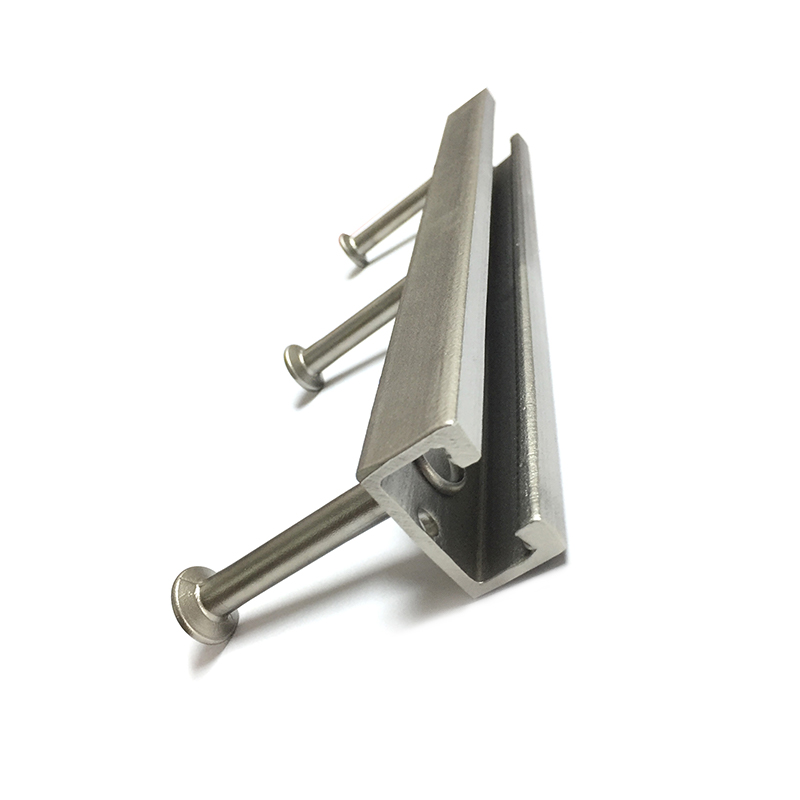
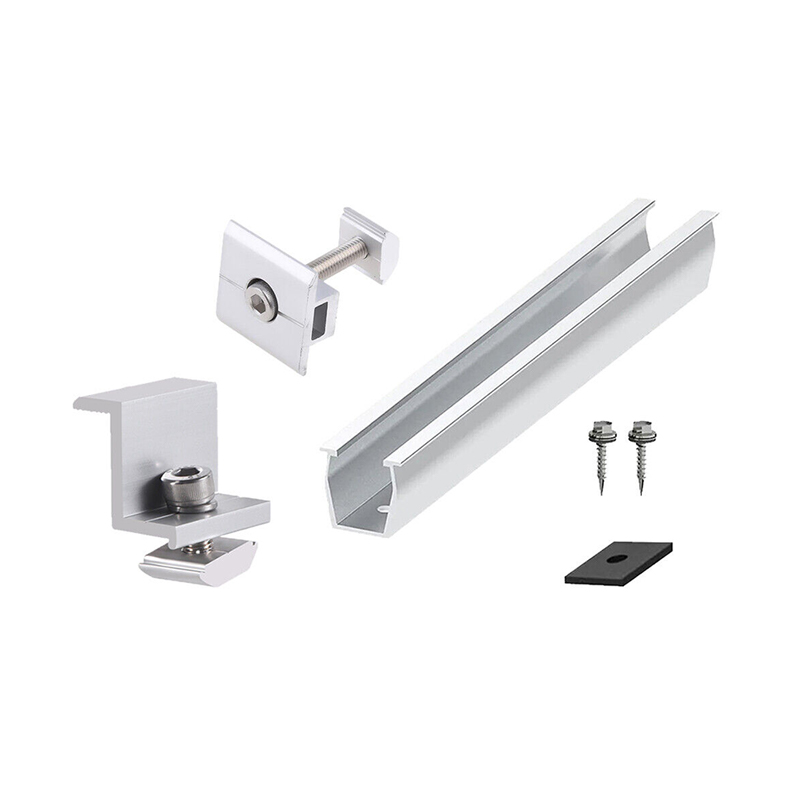
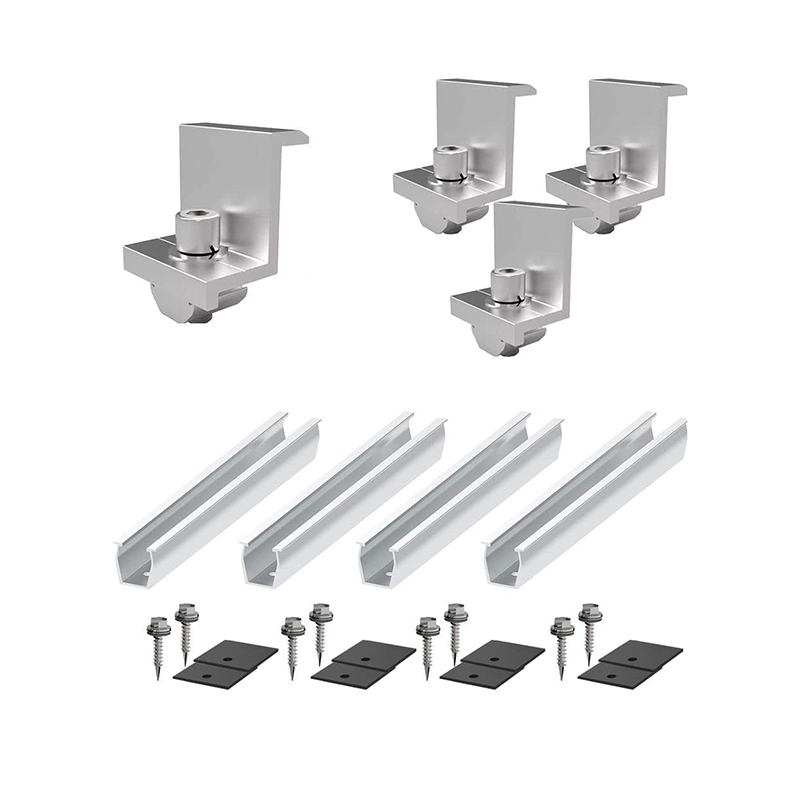

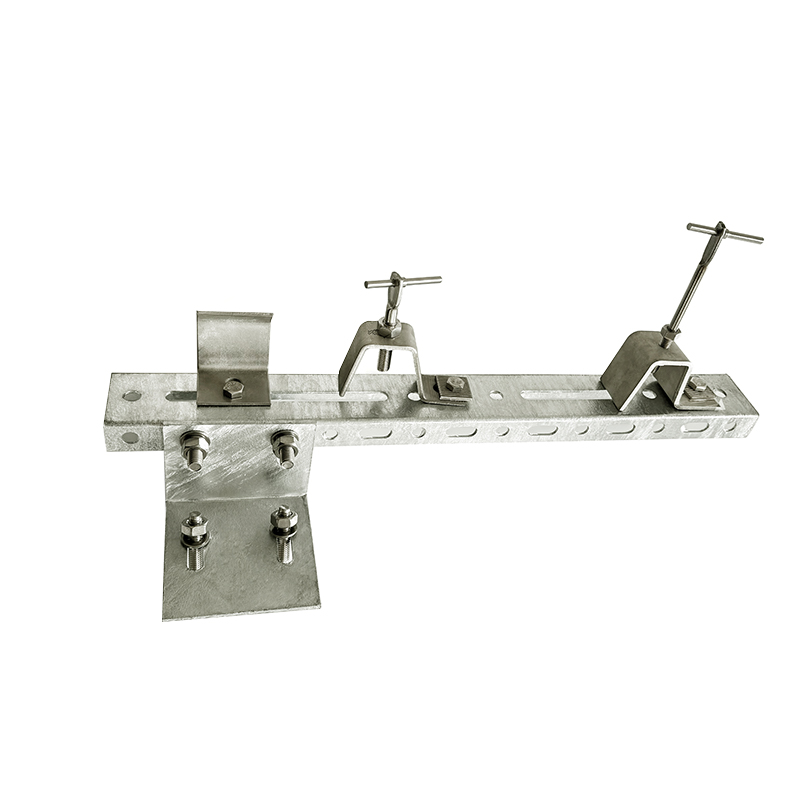
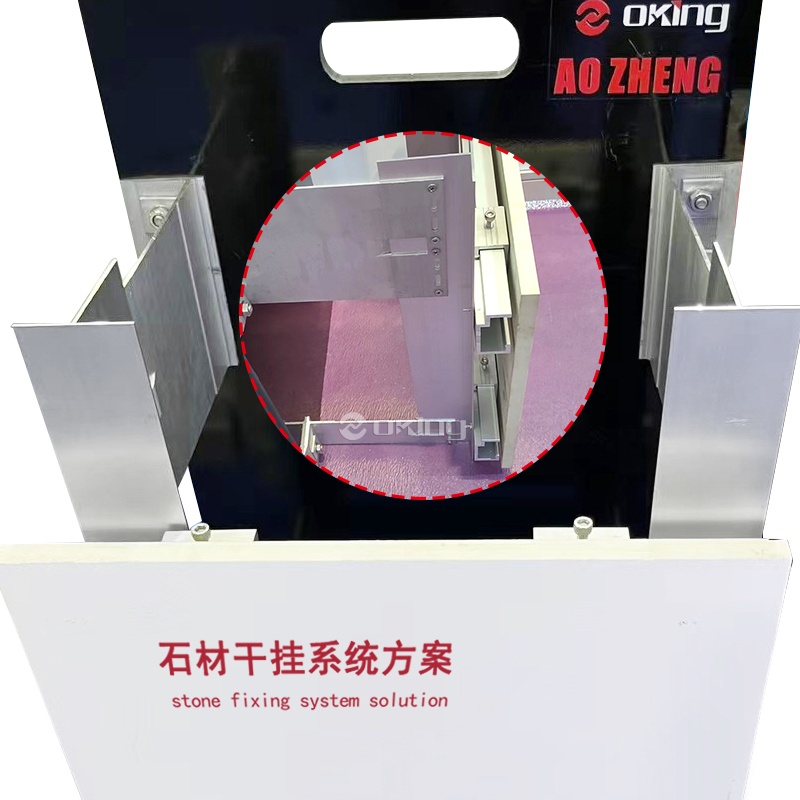
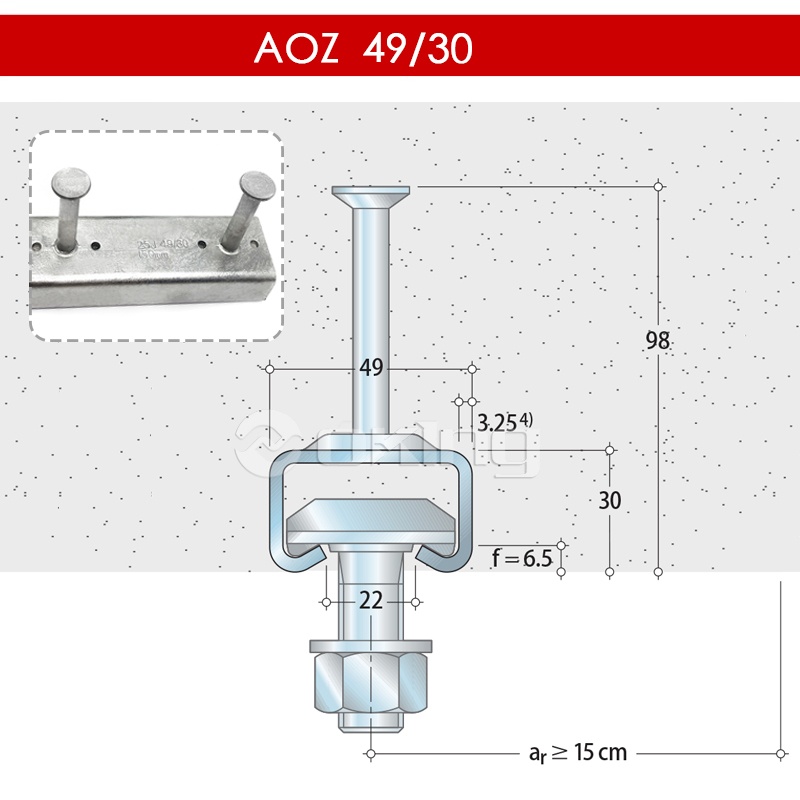
Anchor Channels 49*30Galvanized Cold Rolled Cast in Channel
Customized cast anchor channel systems, with strip or airfoil designs, are a key...

+86-15996094444

INQUIRE NOW

Specially customized channels offer the advantage of precise fit and functionality, allowing for efficient use of space, optimized load-bearing capacity, and tailored solutions for specific applications. They can be designed to integrate seamlessly with existing structures or components, ensuring a cohesive and efficient overall system.
It is important to work with experienced professionals, such as engineers, fabricators, or manufacturers, when designing and fabricating customized channels to ensure compliance with relevant codes, standards, and industry practices.
Customized cast anchor channel systems, with strip or airfoil designs, are a key...
Customized cast anchor channel systems, with strip or airfoil designs, are a key...
Customized cast anchor channel systems, with strip or airfoil designs, are a key...
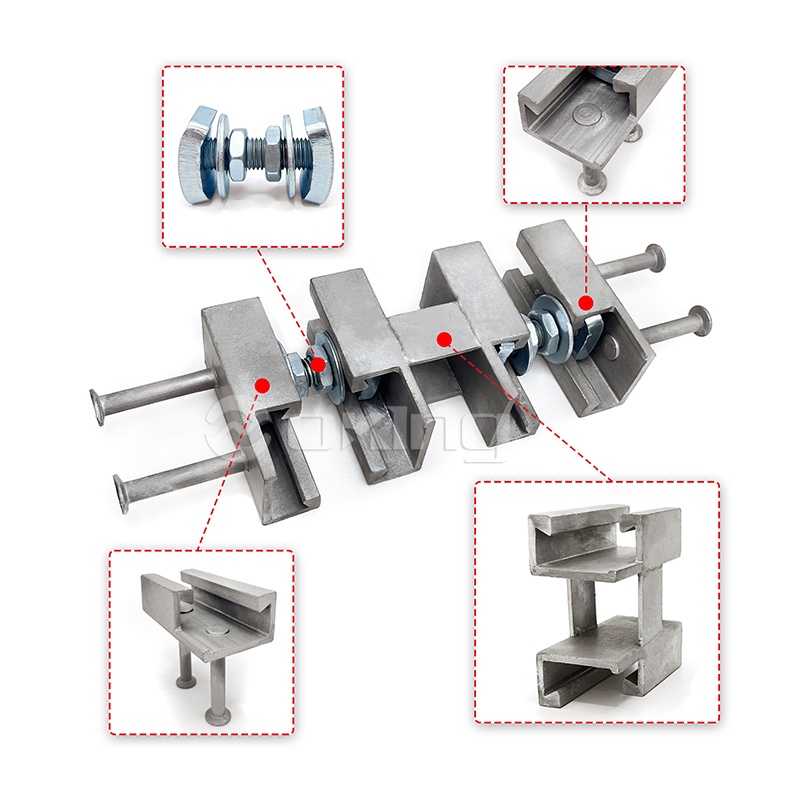
Customized cast anchor channel systems, with strip or airfoil designs, are a key...
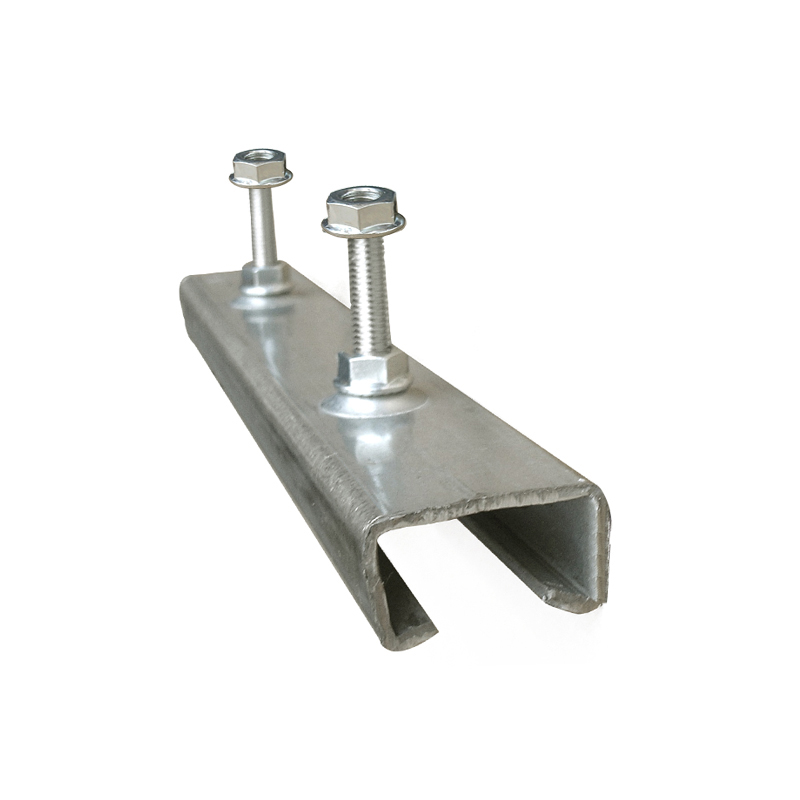
Customized cast anchor channel systems, with strip or airfoil designs, are a key...
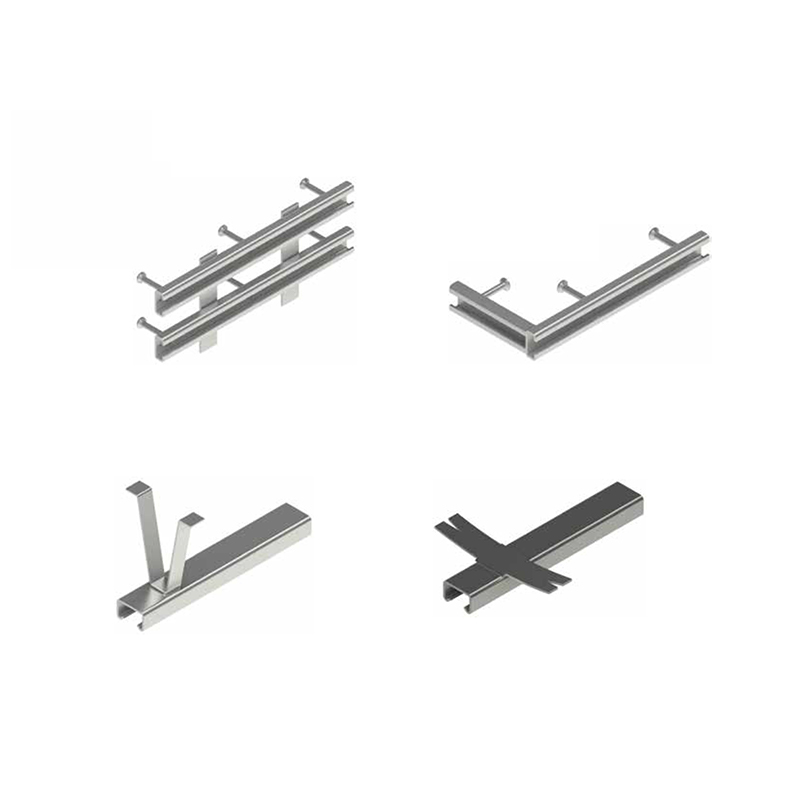
Customized cast anchor channel systems, with strip or airfoil designs, are a key...
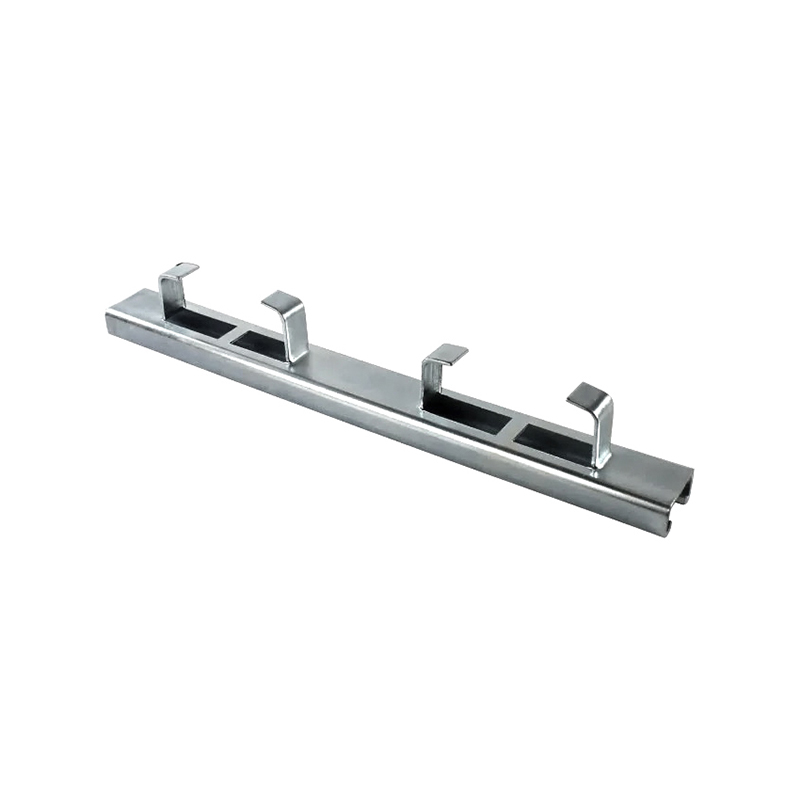
Customized cast anchor channel systems, with strip or airfoil designs, are a key...
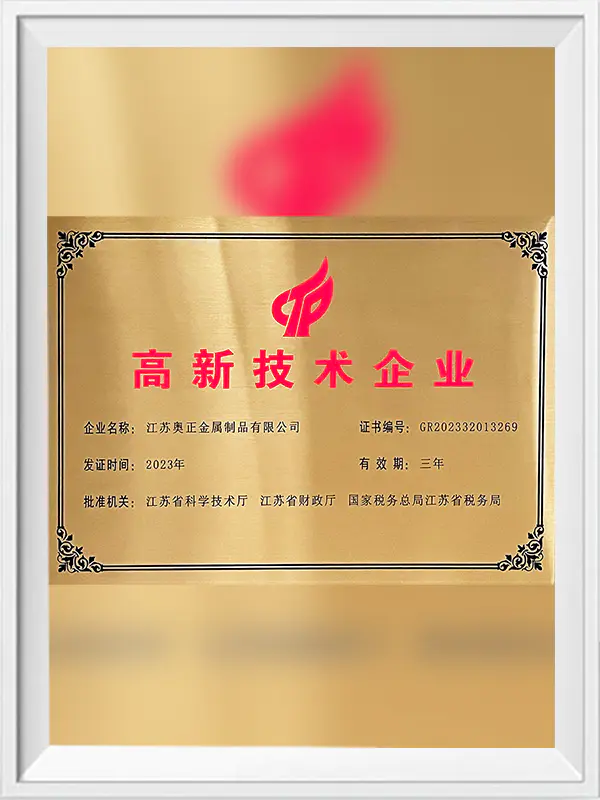
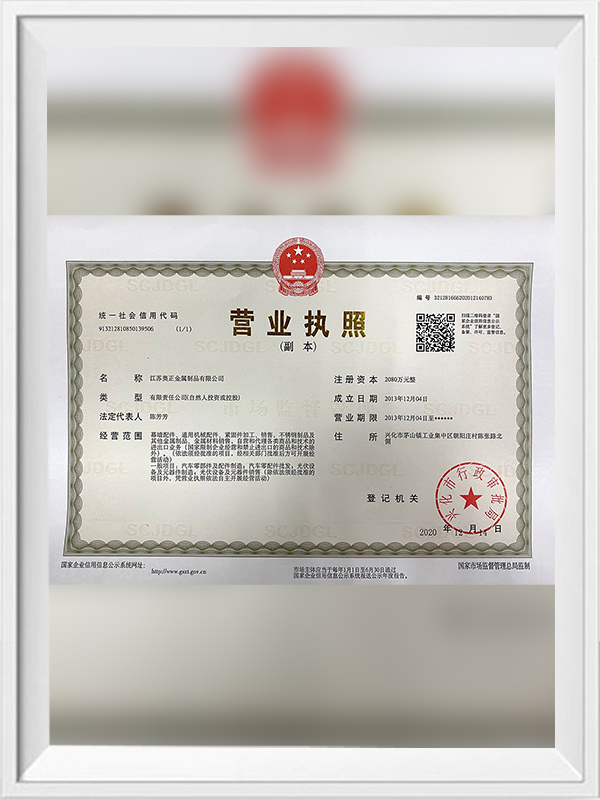
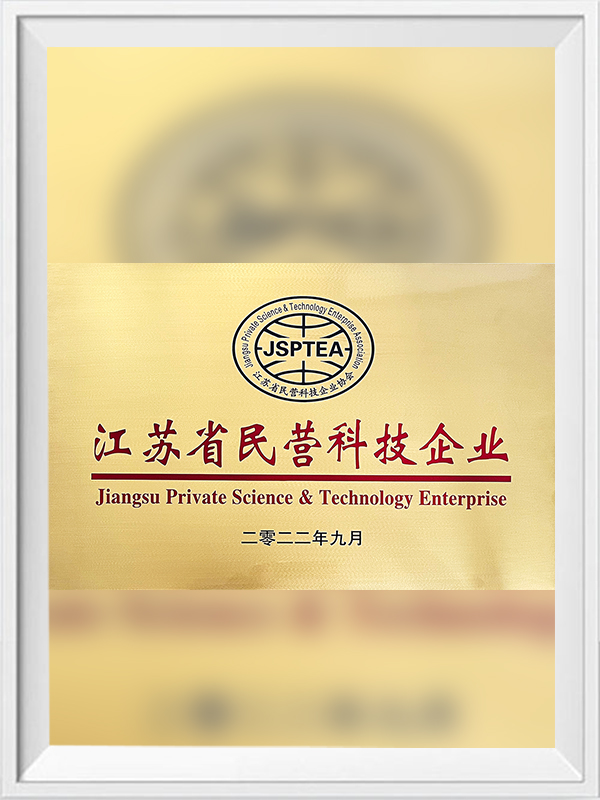
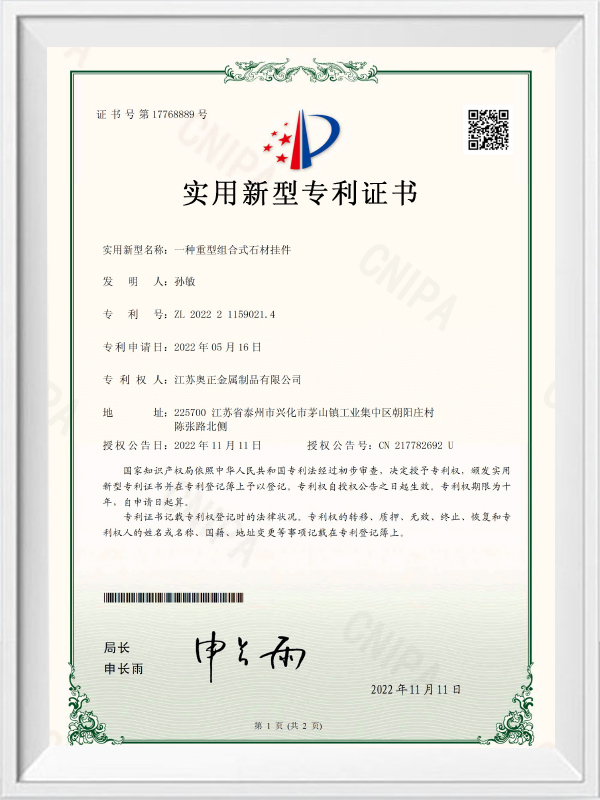
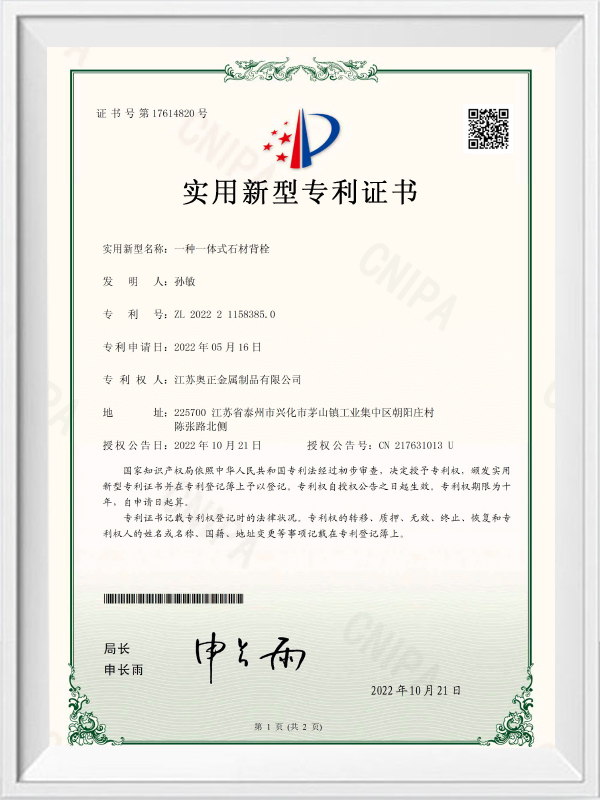
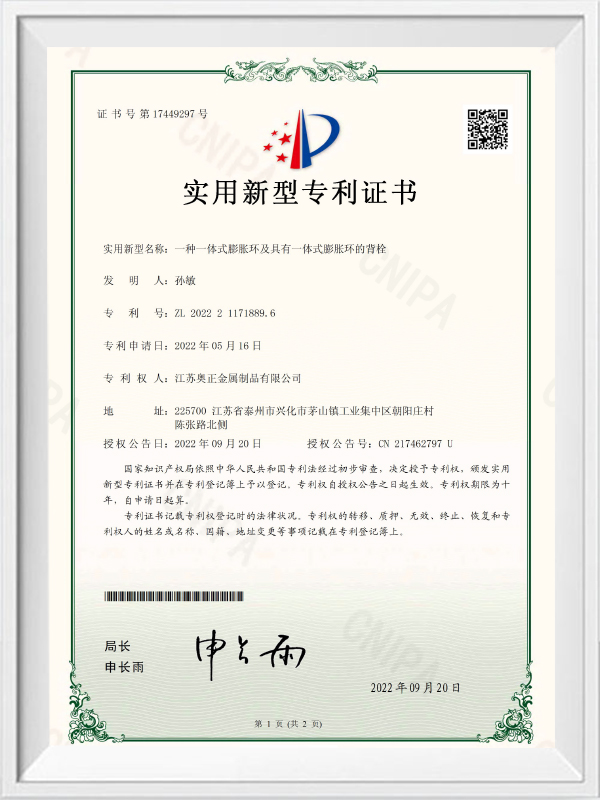
Jiangsu Aozheng Metal Products Co., Ltd. Is China Customized Channel Manufacturers and Custom Customized Channel Exporters. We Are a combination of industry and trade enterprises, is committed to the production of ODM/OEM stainless steel, aluminum alloy, carbon steel, and low alloy steel materials, architectural hardware, the use of advanced automated cutting, stamping, and welding processes, raw materials molding and machining plant in one, based on high quality and high-end market, the annual production of various types of building materials 2000 tons, mainly exported to the United States, Germany, Italy, Britain, South Korea, Australia, Canada, the Middle East and dozens of countries, with customers including large construction companies, including well-known construction team, has become their building materials in the Middle East, with an annual production of more than 2000 tons of various building materials, mainly exported to dozens of countries such as the United States, Germany, Italy, the United Kingdom, South Korea, Australia, Canada, the Middle East, etc., and cooperating with large-scale construction companies.


In modern architectural engineering, the envelope of a building is no longer just a structural boundary but a high-performance skin. The Terracotta Fa...
READ MOREIn the pursuit of net-zero building standards, the building envelope plays a pivotal role in determining a structure's total embodied carbon and opera...
READ MOREIn modern facade engineering, the structural integrity of a building's exterior depends heavily on the sub-frame components. Cladding support brackets...
READ MOREThree days of innovation, connection, and vision at the 2026 International Builders' Show in Orlando — a fitting finale to IBS’s time in this vibrant ...
READ MOREIn the landscape of 2026 urban renewal, the integration of high-performance building envelopes is critical for meeting stringent environmental benchma...
READ MOREChannels with strips or wings are mainly used in the following applications:
Precast concrete elements:
These channels are embedded in precast concrete elements to provide fixing points so that other building elements can be quickly installed and fixed in the subsequent construction.
Curtain wall systems:
In curtain wall systems, they are used to fix frames and panels, so that glass or metal panels can be installed safely and firmly.
Pipe and cable trays:
Used to fix various pipes and cable trays, especially in industrial buildings and infrastructure projects, these channels provide the necessary support and stability.
Mechanical and electrical equipment installation:
Used to install and fix mechanical equipment and electrical devices to ensure that they do not move or vibrate during operation.
Bridge and tunnel construction:
In bridge and tunnel construction, these channels are used to connect and fix different parts of the components to ensure the integrity and stability of the entire structure.
Building interior decoration:
In building interior decoration, they are used to fix ceilings, partitions, lighting systems and other decorative elements.
There are some obvious differences between special anchor channels and standard anchor channels in design, function and application:
1. Design and structure
Standard anchor channels:
Having uniform design and specifications, usually with U-shaped or C-shaped cross-section, suitable for general construction applications.
The design is relatively simple and suitable for conventional loads and installation conditions.
Special anchor channels:
Customized design according to specific project needs, may have different shapes, sizes and materials.
The structural design is more complex to meet specific load requirements or environmental conditions.
2. Materials and manufacturing
Standard anchor channels:
Usually manufactured from conventional materials (such as carbon steel or stainless steel) and suitable for general construction environments.
Mass production, with good cost-effectiveness.
Special anchor channels:
May use special materials (such as corrosion-resistant alloys, composite materials) to cope with extreme environmental conditions.
May require custom manufacturing, which is more expensive but can meet specific engineering requirements.
3. Scope of application
Standard anchor channels:
Suitable for common applications in conventional construction projects, such as wall fixing, equipment support, etc.
Wide range of applications, but limited adaptability to specific requirements.
Special anchoring channels:
Used for engineering projects that require special considerations, such as high loads, fire resistance, corrosion resistance or high temperature environments.
Suitable for special engineering projects such as bridges, subways, nuclear power plants, etc.
4. Installation and adjustment
Standard anchoring channels:
Relatively simple to install, usually used with standard fasteners.
Limited adjustment space, mainly used in standardized construction environments.
Special anchoring channels:
The design may include adjustable components to provide greater flexibility and adjustment capabilities.
Installation may require specialized technical support to ensure that the expected performance requirements are achieved.
5. Performance and durability
Standard anchoring channels:
Meet general performance requirements and are suitable for common building physical environments.
Service life and durability depend on its performance under normal conditions.
Special anchoring channels:
With higher performance indicators, it can cope with special load and environmental challenges.
Provides higher durability and long-term stability, suitable for applications under harsh conditions.
What are the advantages of adjustable cast-in anchor channels?
Adjustable cast-in anchor channels offer many significant advantages in construction and engineering projects, including the following:
1. Flexibility and accuracy
Position adjustment: These channels allow precise adjustment of the position of the connection points after installation, ensuring flexibility to cope with various uncertainties during construction.
Reduce errors: Through the adjustable design, problems caused by measurement or construction errors can be effectively reduced and installation accuracy improved.
2. Convenience of installation
Simplifies the construction process: Adjustable features simplify the on-site construction process and reduce the need for rework due to improper placement.
Rapid positioning: When positioning and fixing structural elements, precise alignment can be achieved quickly, saving construction time.
3. Adapt to complex designs
Supports complex structures: Suitable for building designs that require high precision and complex connections, such as curtain wall systems, bridges and tunnels, etc.
Diversified applications: Able to adapt to a variety of different construction environments and conditions, thereby providing greater freedom in architectural design.
4. Loading capacity and stability
High load-bearing capacity: The design usually has a high load-bearing capacity and can support larger structural loads.
Long-term stability: Long-term structural stability and reliability can be maintained in harsh environments.
5. Economic benefits
Reduced rework costs: Due to its precise adjustment capabilities, the need for rework and corrections can be significantly reduced, thereby reducing construction costs.
Improved construction efficiency: The installation process is accelerated, thereby improving the overall construction efficiency and saving time and human resources.
6. Material and design diversity
Material diversity: A variety of materials (such as stainless steel, galvanized steel, etc.) can be used to adapt to different environmental requirements and durability needs.
Design diversity: The design can adapt to different building codes and needs, providing customized solutions for special projects.

We will wholeheartedly provide you with high quality products, reasonable price, on-time delivery and attentive service.
Maoshan Taiwan Business Industrial Park, Dinan Town, Xinghua City, Jiangsu Province, China

+86-523-82799922

+86-15996094444

+86-523-82799933


Copyright © Jiangsu Aozheng Metal Products Co., Ltd. All Rights Reserved.

