-
 Tel:
Tel:+86-15996094444
-
 E-mail:
INQUIRE NOW
+86-15996094444
INQUIRE NOW

Article Directory
A facilities manager inspecting a 25-year-old office building stops at the granite curtain wall, notices faint rust trails on a few brackets, and asks a version of the question that comes up regularly in facade inspections: is the cladding approaching the end of its service life? In nearly every case, the stone is not the component that dictates the answer.
Natural stone cladding systems are normally designed for a service life of 50 years, and many perform well beyond 75. The caveat is that this lifespan belongs to the full assembly (stone panels, support brackets, anchors, and corrosion protection), not to the slab alone. The stone will almost certainly outlast the hardware that holds it. Understanding which component fails first, and why, is the only reliable way to predict how long a specific facade will last.
Geologists would answer in centuries. Granite, basalt, and dense limestone are among the most durable building materials ever used; the granite columns of the Roman Pantheon have stood for nearly 1,900 years. But modern stone cladding is an engineered assembly, not a monolithic wall. Panels hang on metal brackets, connected to anchors set into the structure, with movement joints and sealants managing thermal expansion.
When an engineer quotes a service life, they describe the entire system under defined conditions. Design guides commonly target 50 years for curtain wall systems and 75 years for structural stone. In mild climates with good maintenance, a well-specified stone facade can exceed both figures. In aggressive coastal or industrial environments, metal components age faster, and the effective system life drops to 25-40 years unless stainless steel is used throughout.
Granite leads the pack. With porosity below 1 percent and high compressive strength, granite panels typically remain sound for 75-100 years or more in urban environments. Dense limestone and sandstone also last decades, but their higher porosity makes them more vulnerable to freeze-thaw cycling and acid rain. Marble performs well indoors; on exterior walls with polluted rain, it can lose its polish and develop surface etching. That is why a granite facade system is often the preferred choice when the design intent is a maintenance-light exterior with a lifespan measured in decades.
The most common cause of premature cladding problems is not a weak panel but a poorly designed fixing interface. Point-fixed systems concentrate stress at the anchor locations; if the bracket restricts the stone's natural thermal movement, cracks develop. That is why modern systems use slotted holes, kerf anchors, hook-and-down brackets, or undercut anchors that allow the stone to move microscopically without losing restraint.
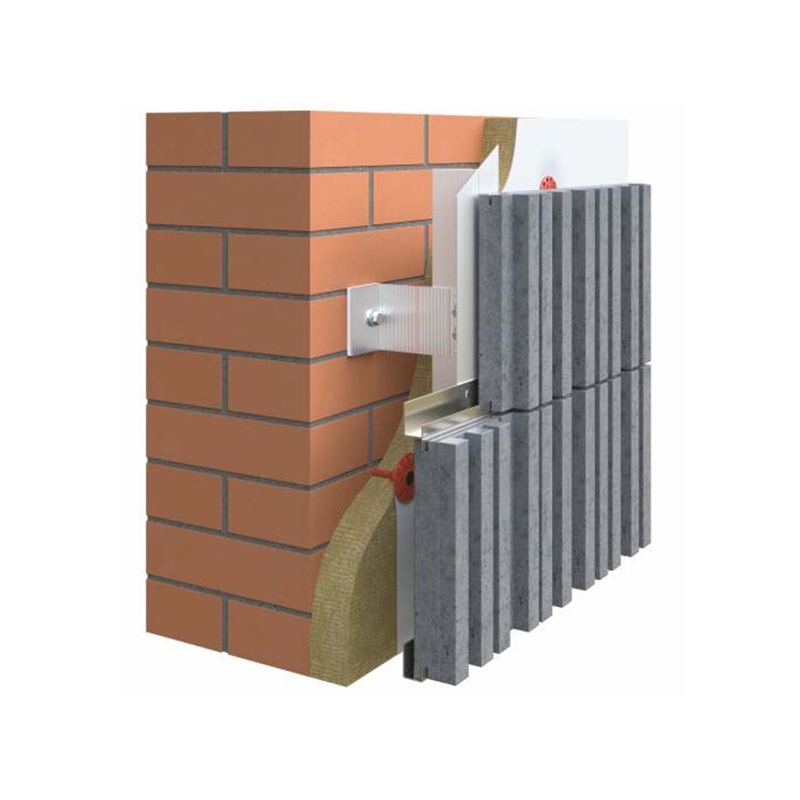
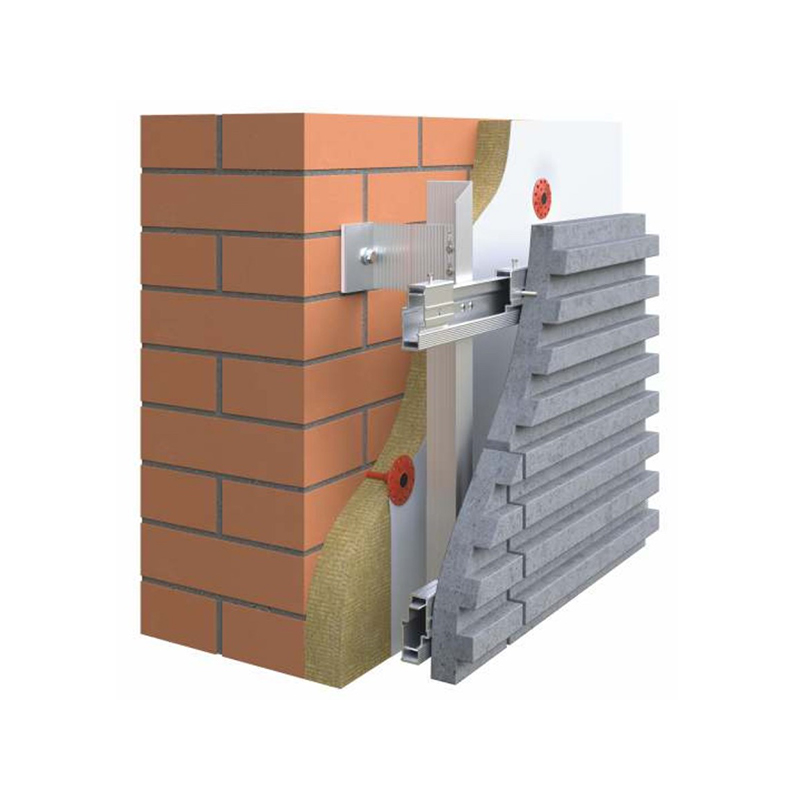
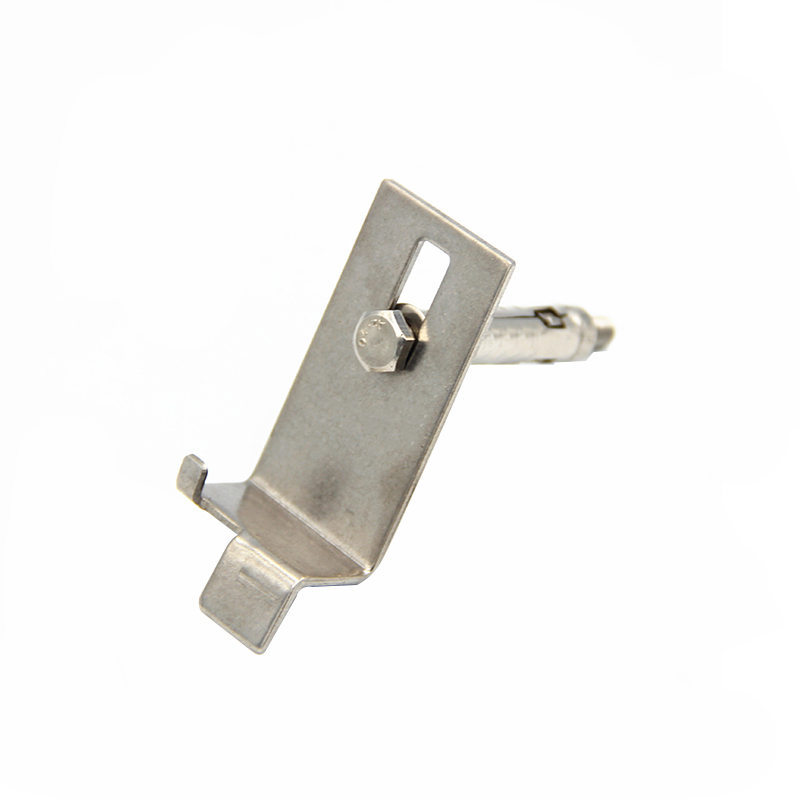
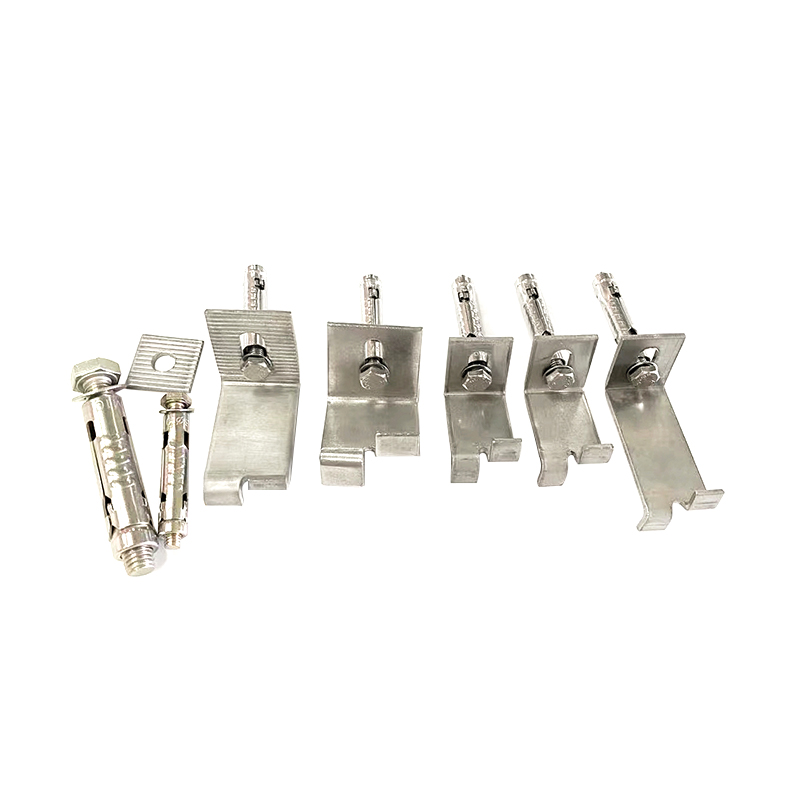
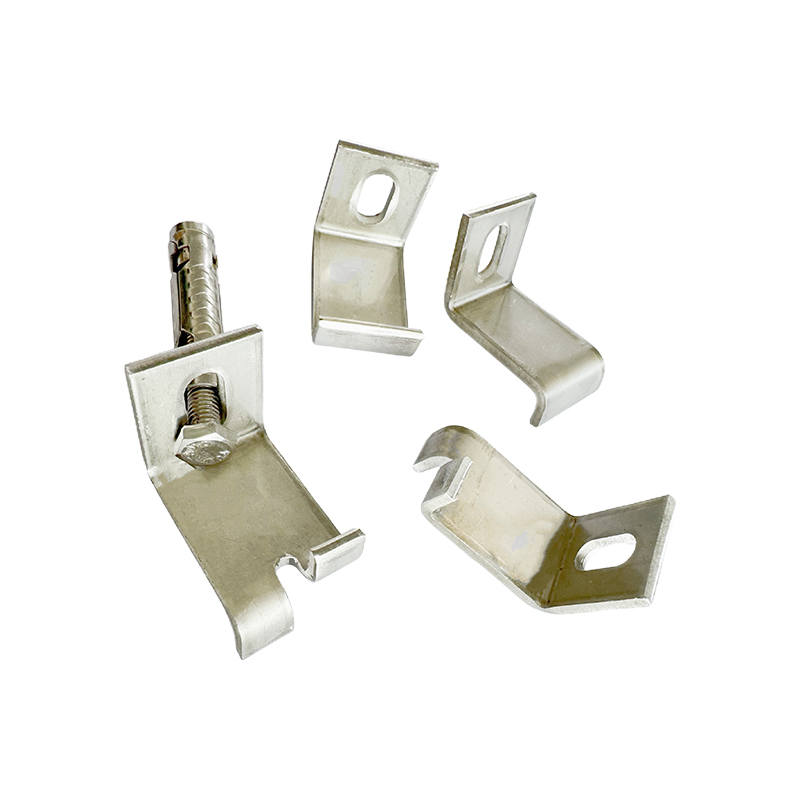
A system designed for a 50-year life must also distribute loads correctly: gravity loads carried by the lower anchors, wind loads by the upper ones, with every connection kept within its rated capacity. A hook-and-down stone fixing facade cladding system provides the vertical support and on-site adjustability needed to keep panels aligned over long service periods.
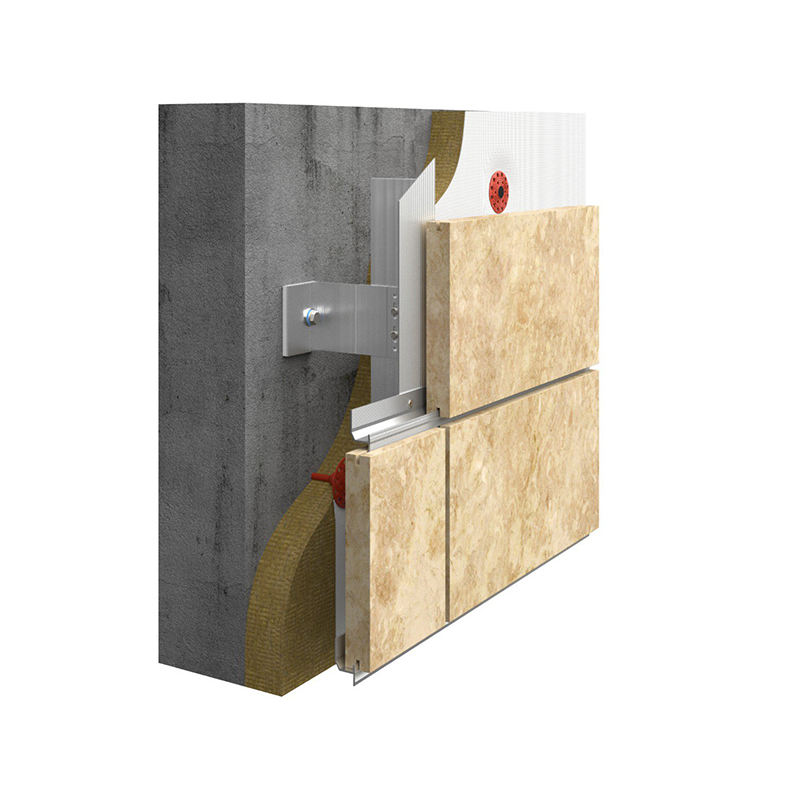 Wholesale Stone Fixing Facade Cladding System For Hook Up And Down Suppliers, FaWe Are China Stone Fixing Facade Cladding System For Hook Up And Down Suppliers And Factory, Jiangsu Aozheng Metal Products Co., Ltd. Who...View Product →
Corrosion is the single most common reason metal fixings fail before the stone does. A corroded bracket loses section thickness, which reduces load capacity, and rust byproducts stain the cladding. Material selection matters more than almost any other specification decision.
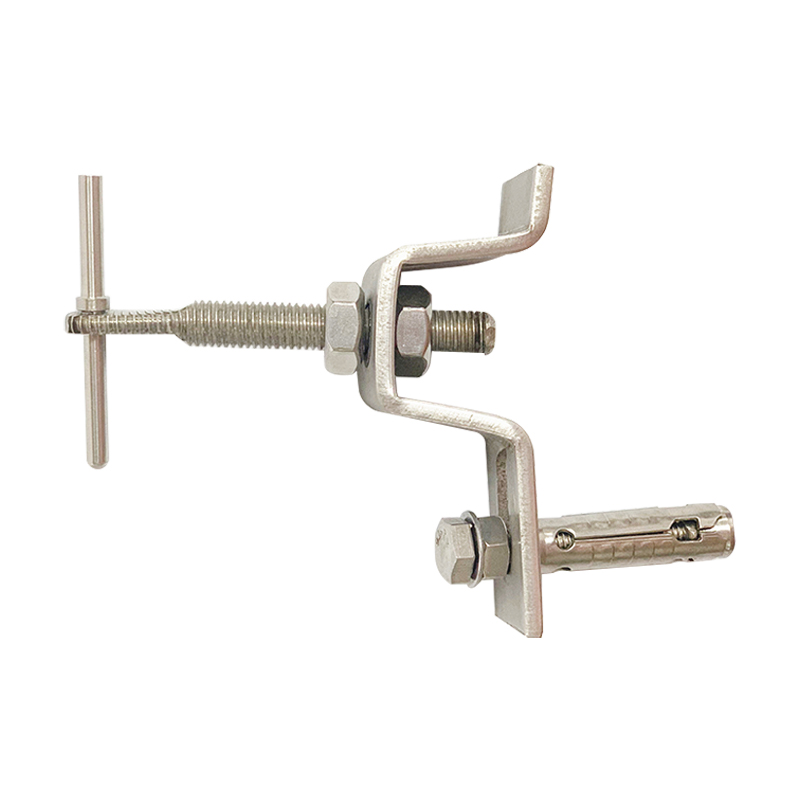
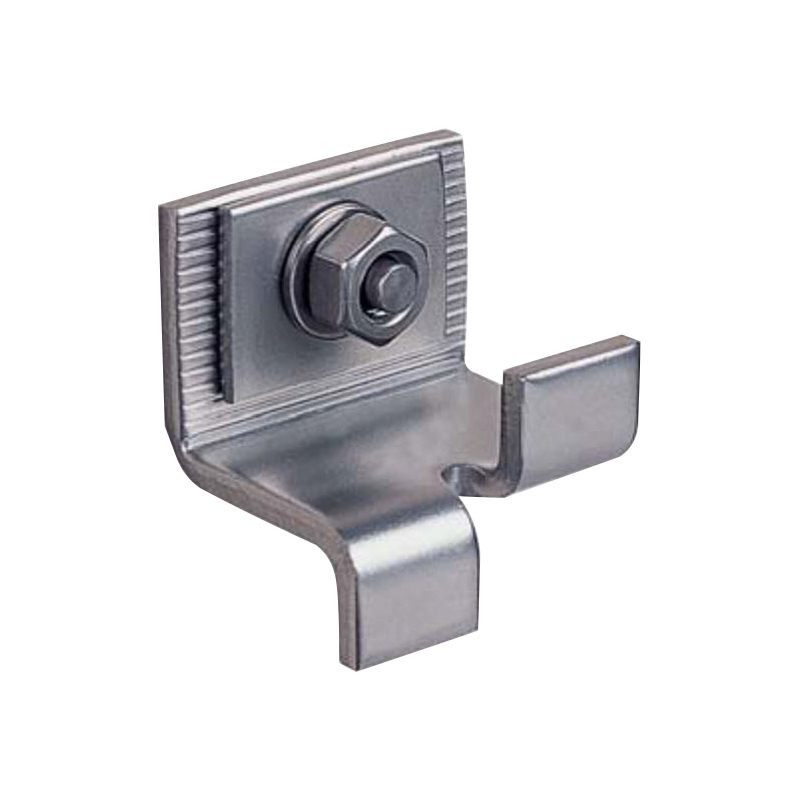
Type 304 stainless steel delivers dependable service in most urban and suburban settings, with an expected life of 50-75 years. Type 316 adds molybdenum for chloride resistance and is the standard recommendation near coastlines or wherever de-icing salts are used; its service life can match or exceed the building's design life. Hot-dip galvanized carbon steel is a budget-friendly option for sheltered applications, but 30-50 years is a realistic ceiling in most exposures. Among the more durable support components is the stainless steel omega bracket, which combines corrosion resistance with built-in adjustability for irregular substrates.
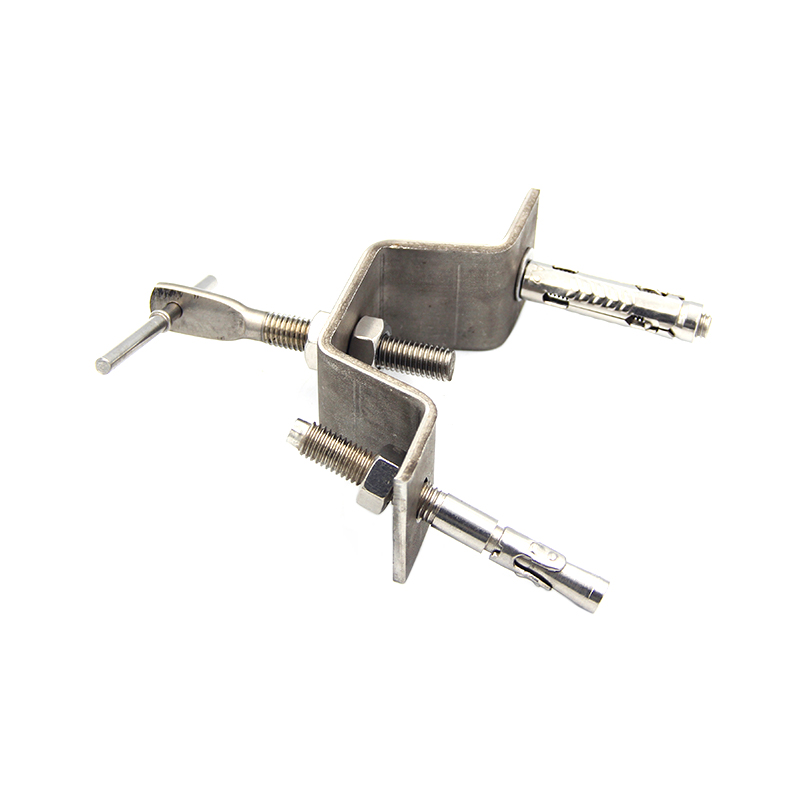 Wholesale Stainless Steel Omega Bracket Suppliers, FactoryWe Are China Stainless Steel Omega Bracket Suppliers And Factory, Jiangsu Aozheng Metal Products Co., Ltd. Wholesale Stainless Steel Omeg...View Product →
The same specification that gives 75 years in a temperate climate may last only 20 at a beachfront site. Salt aerosols attack metal fixings and accelerate weathering of porous stone. Freeze-thaw cycles demand anchors that tolerate the expansion of absorbed moisture. Industrial pollution brings acidic deposition that etches carbonates and discolors lighter stones.
The conservative approach is to specify 316 stainless steel for all metal components within roughly 1 km of a coastline and to choose dense, low-porosity stone for exposed elevations. Verify the corrosion protection rating before installation; the real-world performance of the fixing hardware matters more than any marketing description of the panel.
Even a 100-year specification fails if installers over-torque anchors, leave gaps in slotted connections, or mix incompatible metals that create galvanic corrosion. Curtain wall tolerances are measured in millimeters, and misalignment creates stress concentrations that eventually crack the panels.
The practical remedy is to pair a durable product with disciplined site practices: torque-controlled tightening, correct embedment depth, and properly detailed expansion joints. Our guide to stone fixing brackets covers the types, uses, and installation checks that help avoid the most common field errors.
A realistic planning figure for a complete natural stone cladding system, with 316 stainless steel brackets and periodic maintenance, is 60-75 years. The table below summarizes typical component-level expectations.
| Component | Typical material | Expected service life | Primary limitation |
|---|---|---|---|
| Stone panels | Granite, dense basalt | 75-100+ years | Freeze-thaw in wet climates |
| Stone panels | Limestone, sandstone | 50-75 years | Acid rain, surface erosion |
| Support brackets | 316 stainless steel | 60-100+ years | Weld quality, crevice corrosion |
| Support brackets | 304 stainless steel | 50-75 years | Chloride exposure |
| Support brackets | Hot-dip galvanized steel | 30-50 years | Coating damage at cut edges |
| Undercut anchors | 316 stainless steel | 60-100+ years | Correct hole geometry |
| Sealants | Silicone or polyurethane | 10-20 years | UV degradation, joint movement |
Two identical facades installed side by side can differ in service life by decades depending solely on maintenance. Sealants, which are neither stone nor metal, begin to fail after 10-20 years and must be inspected and renewed. Loose or broken anchors are usually discovered only during a professional survey.
A simple inspection protocol every 2-5 years costs a small fraction of a re-cladding project and extends the system life considerably. For a practical timeline of cleaning intervals and expected wear, see our article on routine cleaning and maintenance of stone cladding systems.
Replacement is rarely about the stone itself. It becomes necessary when the structure behind the cladding moves, when corrosion has seriously reduced anchor sections, when panels are cracked beyond repair, or when the original design used materials no longer accepted by current standards. In-situ repair is often possible: individual panels can be re-anchored, and corroded brackets can be swapped without touching the rest of the facade.
For re-anchoring existing panels or fixing new ones, an undercut anchor for natural stone slabs is a proven method. It transfers load safely within the panel without visible surface clips, and it works well in both new construction and remedial work.
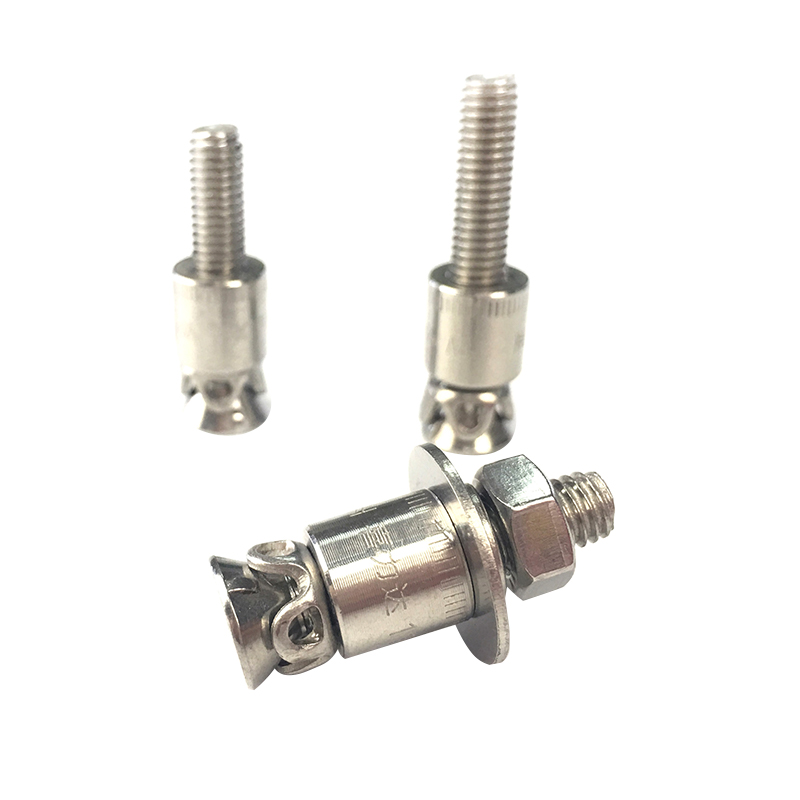 Undercut Anchor for Natural Stone Facade Cladding - Secure & Concealed Fixing SyDiscover our high-performance undercut anchor system for natural stone. Engineered for concealed, stress-free installation of facade pane...View Product →
The key insight is that a well-built natural stone facade is not a disposable finish. It can rival or exceed the building's structural frame in longevity. What decides whether it reaches 50, 75, or 100 years are the small, unseen components: brackets, anchors, and protective coatings. Specify them with the same care as the stone itself, base every choice on the actual site environment, and inspect the facade on a regular cycle. Do that, and the cladding will very likely outlive its original warranty.

We will wholeheartedly provide you with high quality products, reasonable price, on-time delivery and attentive service.
Maoshan Taiwan Business Industrial Park, Dinan Town, Xinghua City, Jiangsu Province, China

+86-523-82799922

+86-15996094444

+86-523-82799933


Copyright © Jiangsu Aozheng Metal Products Co., Ltd. All Rights Reserved.
 English
 русский
 Español
 عربى
عربى


Contact Us