-
 Tel:
Tel:+86-15996094444
-
 E-mail:
INQUIRE NOW
+86-15996094444
INQUIRE NOW

Article Directory
On a high-rise facade, one 30 mm granite panel measuring 1200 x 600 mm carries a dead weight of roughly 58 kg, transferred through two or three stainless steel brackets and a row of anchor pins into the backup wall. When those hidden connections corrode, loosen, or crack, the panel becomes a public-safety issue long before visible distress appears. A natural stone cladding system is therefore only as durable as the maintenance program that protects its fixings.
Natural stone panels age in decades or centuries; the brackets, anchors, and sealants behind them age in years. Maintenance planning must focus on the supporting layers, not on the stone itself.
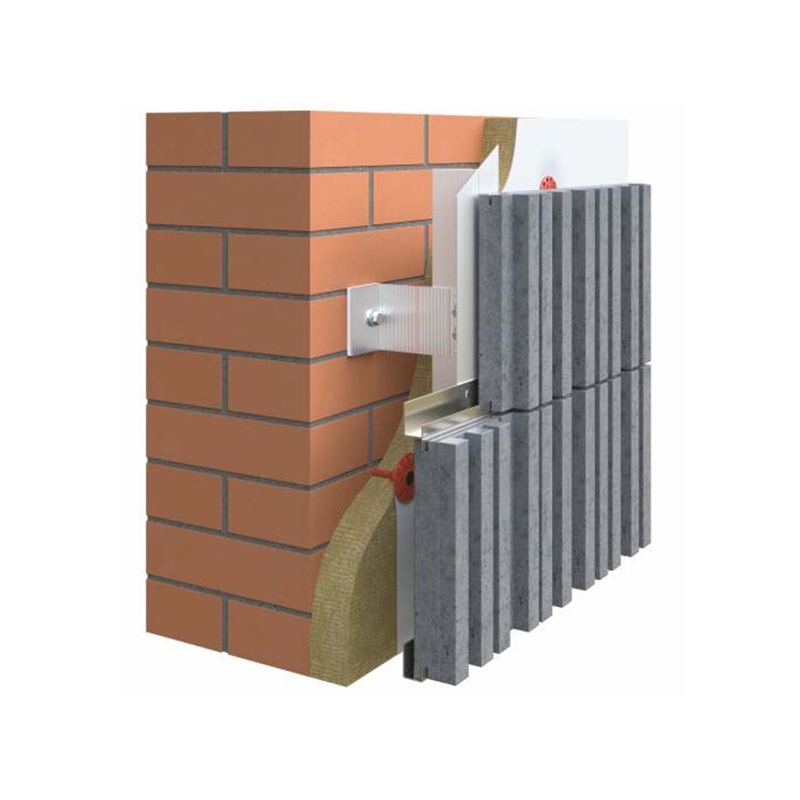
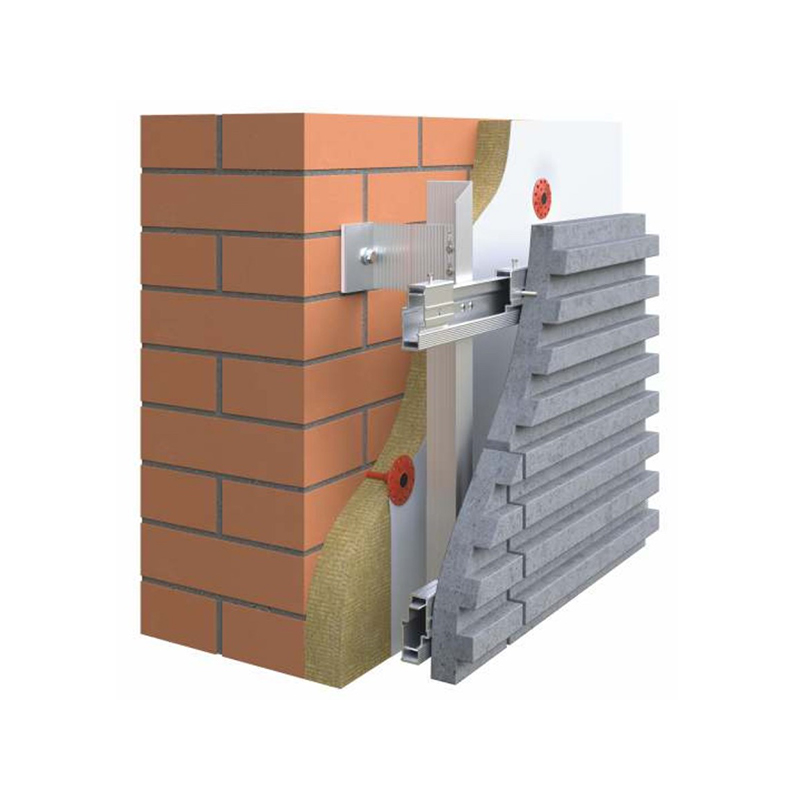
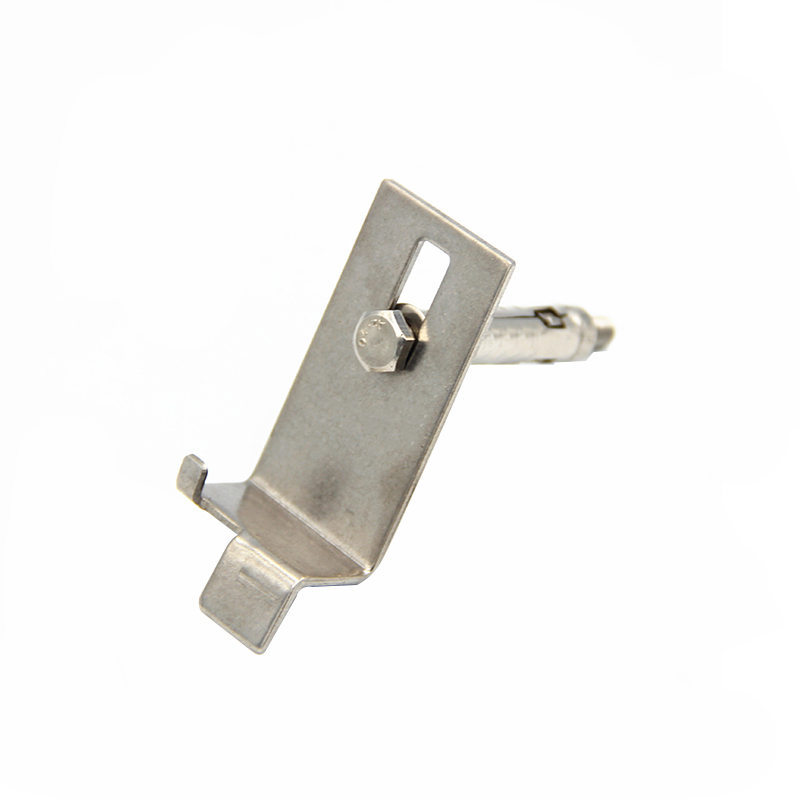
A typical ventilated stone facade depends on three separate load paths: stainless or galvanized brackets carrying the dead load, pins or undercut anchors controlling out-of-plane movement, and joint seals that keep water out of the cavity. Each path degrades at a different rate. Zinc-coated brackets lose protection where the coating is scratched during installation, 304 stainless steel remains stable in most urban air but can pit in coastal salt, and exterior sealants harden and lose adhesion after roughly a decade of ultraviolet exposure.
Thermal and wind movement make the task harder. A 1200 mm panel in a dark granite finish can move several millimetres across a daily temperature swing, and every cycle strains the anchors and joint sealant. The result is a system that needs scheduled attention rather than a one-time fix.
Typical service life of cladding components
Planning figures for a ventilated cavity in a temperate urban climate.
Carry out a simple visual inspection twice each year, commission a hands-on engineering survey every five years, and run both immediately after a severe storm, seismic event, or reported impact.
The ground-level walk-around catches most developing problems if the observer knows what to look for. Work through the same checklist on every visit:
The five-year survey adds hands-on probing, torque checks on accessible bolts, and moisture measurement inside the cavity. For old facades with mixed hardware grades, the survey should also identify the bracket material; the stainless steel cladding bracket complete guide published by Jiangsu Aozheng Metal Products Co., Ltd. in its industry news library explains which grades typically appear on different facade generations and how the corrosion risk changes with them.
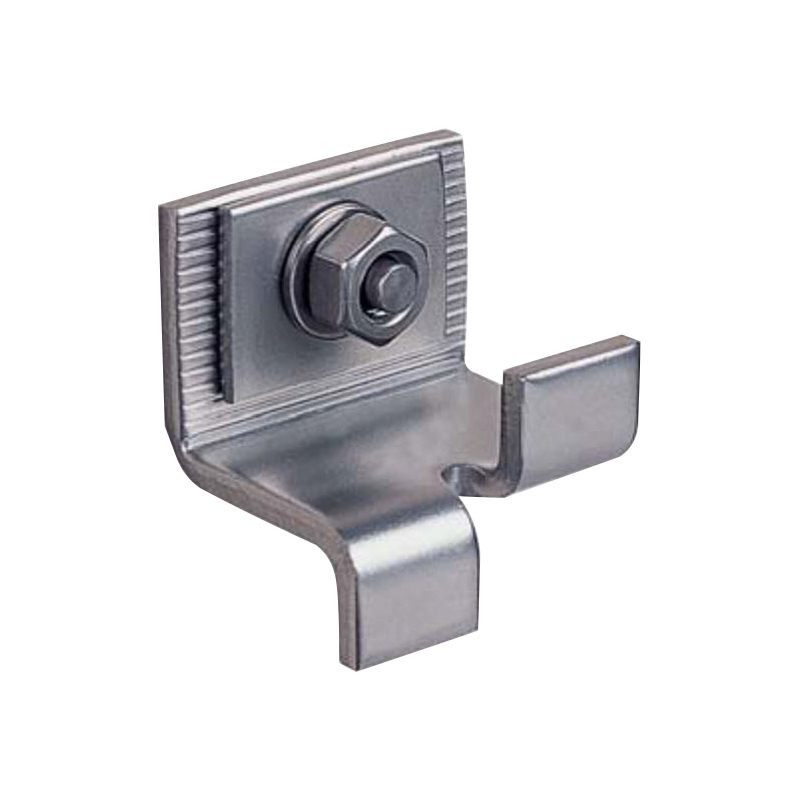
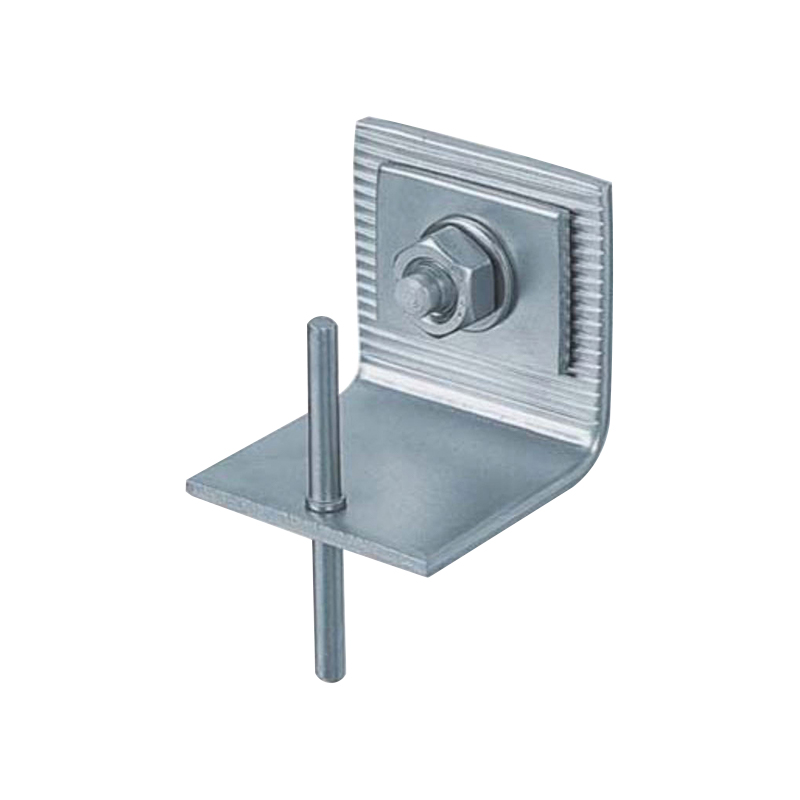
Where a panel has shifted but the anchors are still sound, realignment usually involves an adjustable omega bracket rather than shims behind the panel, because shims hide the load path instead of restoring it.
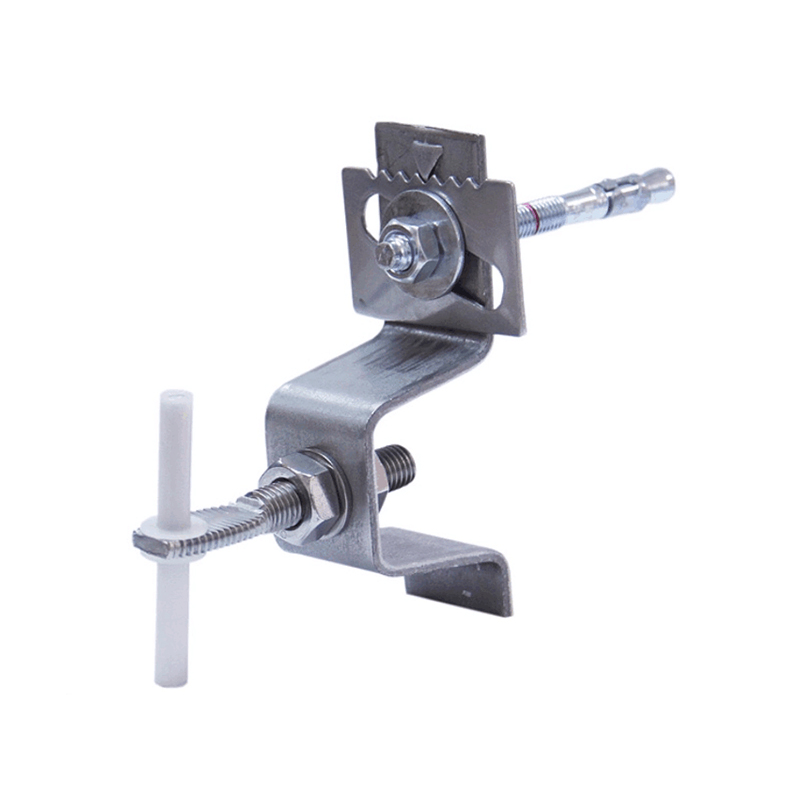 Wholesale Adjustable Omega Bracket For Stone Cladding Suppliers, FactoryWe Are China Adjustable Omega Bracket For Stone Cladding Suppliers And Factory, Jiangsu Aozheng Metal Products Co., Ltd. Wholesale Adjust...View Product →
Clean natural stone cladding with pH-neutral detergent, low pressure, and a wide fan; reserve acidic formulations for granite and never use acid on marble or limestone.
Pressure washing is the most common cause of maintenance-induced damage. Above roughly 150 bar, fine spray can wash sealant out of joints, drive water behind panels, and etch the stone surface. Keep the nozzle at least 300 mm away and angle the flow so it skims past the joints rather than hitting them directly.
For specific stains, use the least aggressive chemistry that works: dry brushing and a poultice for efflorescence, a quaternary biocide for algae on shaded elevations, and an oxalic-acid-based cleaner only for rust staining on granite and other acid-resistant stones. Marble and limestone react with acid, so their cleaning loop is limited to neutral detergents and mechanical methods. The practical treatment options for pollutant-induced discoloration and corrosion staining in the Aozheng industry library cover poultice mixes, dwell times, and when to involve a facade engineer.
| Contaminant | Recommended approach | Do not use |
| Efflorescence | Dry brush, then poultice with distilled water | Muriatic acid or metal scrapers |
| Biological growth | Low-pressure biocide rinse with a soft brush | High-pressure jets aimed into joints |
| Urban grime and soot | pH-neutral detergent with a soft brush | Acidic degreasers on marble or limestone |
| Metal staining | Oxalic-acid cleaner on granite only; poultice for marble | Abrasive pads that scratch the polish |
A loose stone panel needs a new mechanical load path into verified structural support; adhesive re-bonding alone does not meet facade safety requirements.
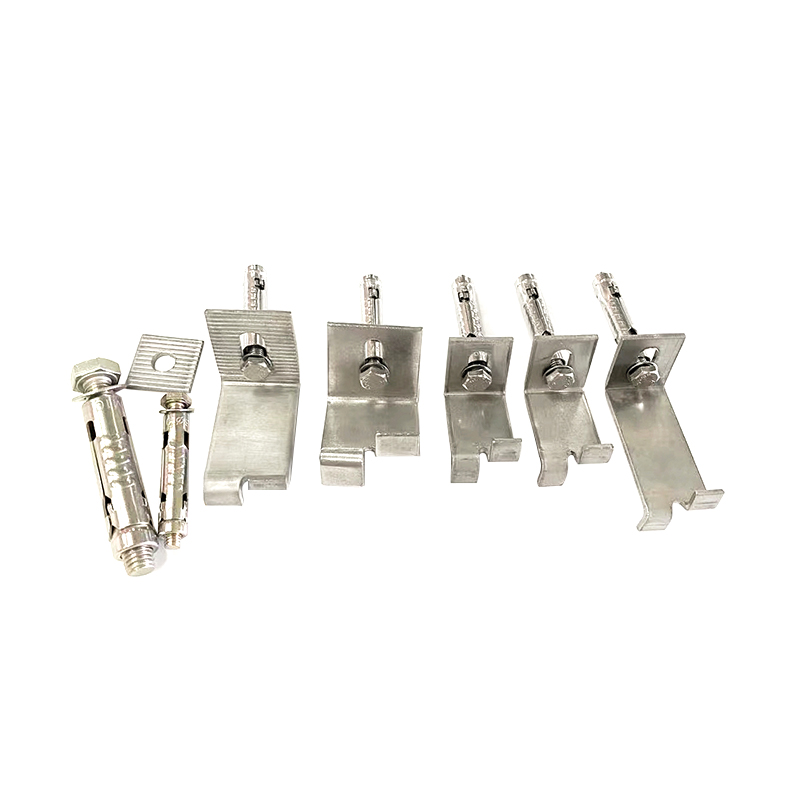
Re-fixing starts with diagnosis. If a pin has pulled out of the panel edge, the fix is a new pin or kerf anchor; if the backup-wall connection has failed, the bracket and anchor must be replaced before the panel is re-hung. On panels where the edge is still sound, a dowel-pin stone fixing facade system can re-establish the connection; the pins are set in epoxy and transfer shear back into the bracket.
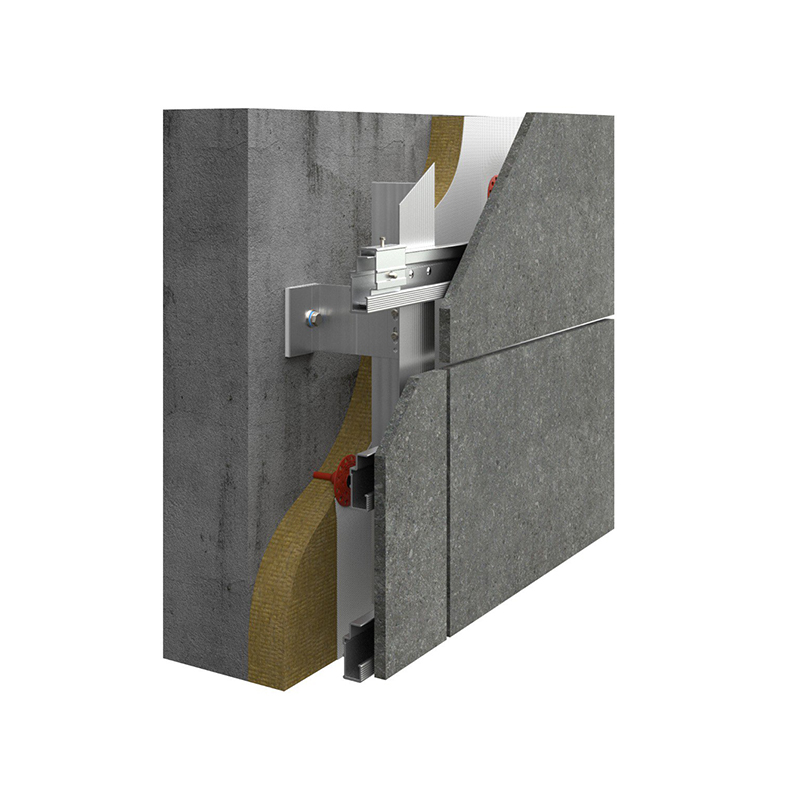 Wholesale Stone Fixing Facade Cladding System For Pin Suppliers, FactoryWe Are China Stone Fixing Facade Cladding System For Pin Suppliers And Factory, Jiangsu Aozheng Metal Products Co., Ltd. Wholesale Stone ...View Product →
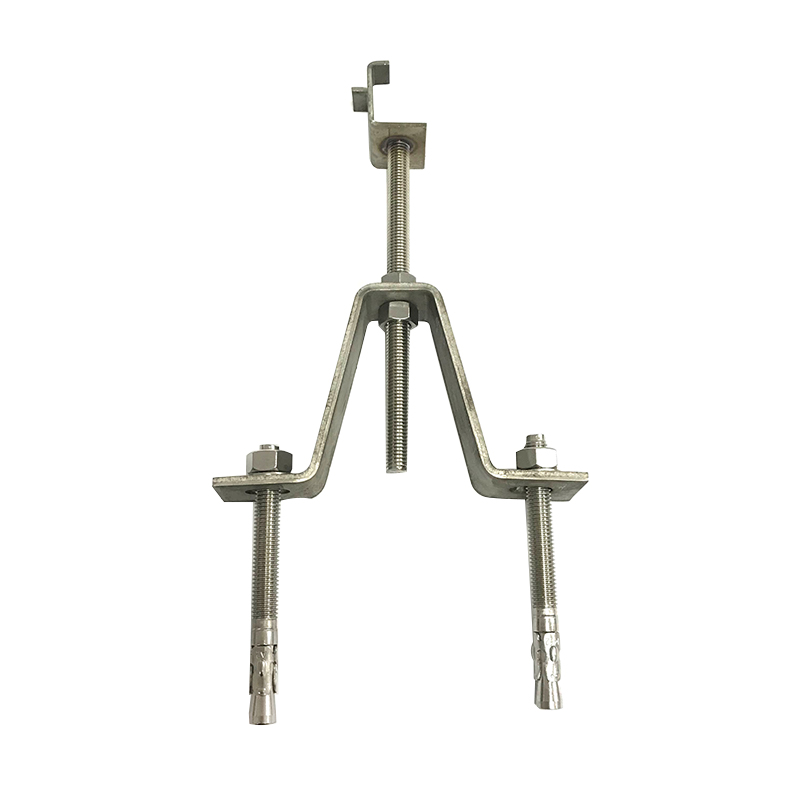
Where the original pin pockets are damaged or the panel is oversized, a stainless steel undercut anchor engineered for natural stone slabs is the more reliable option. A controlled counterbore with a conical seat distributes the load into the panel instead of concentrating it at the hole wall, and undercut anchors tolerate re-installation with cleaner edges. They are the standard choice for seismic retrofits.
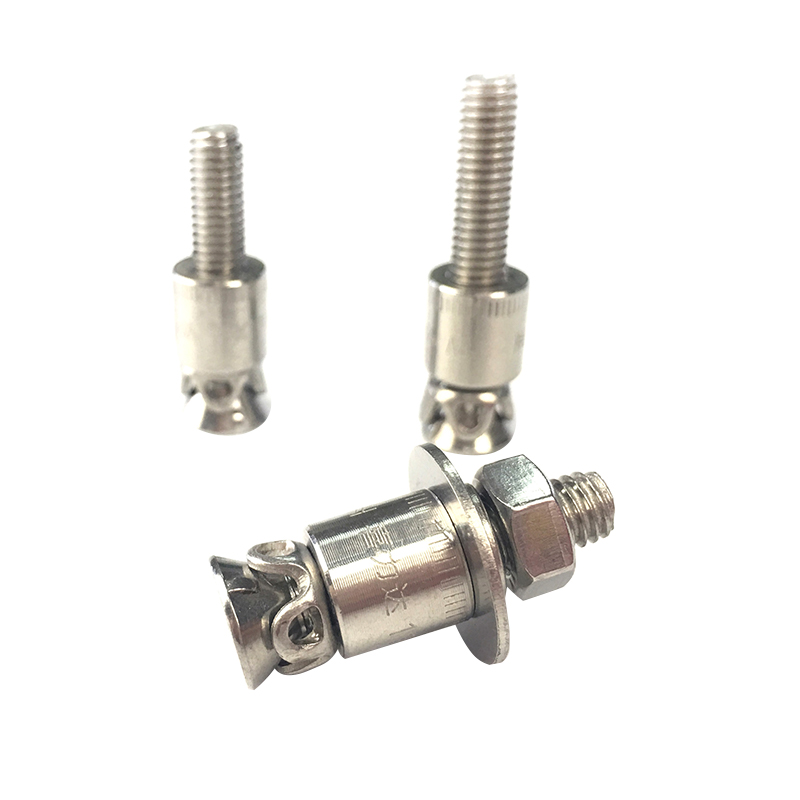 Undercut Anchor for Natural Stone Facade Cladding - Secure & Concealed Fixing SyDiscover our high-performance undercut anchor system for natural stone. Engineered for concealed, stress-free installation of facade pane...View Product →
Best when panel edges are intact and the bracket is serviceable. Requires two or more pins per panel, epoxy injection, and exact drilling depth. Fast and economical, but the anchor point sits close to the edge and load capacity is limited.
Best for damaged edges, large-format panels, and seismic zones. Requires a chamfering tool to cut the undercut seat and precise installation depth. Higher hardware cost, but significantly higher pull-out reliability and a more distributed load path.
Replacement brackets should be sized with the same load calculation used at installation, and all exposed hardware in the repair zone should be upgraded to 304 or 316 stainless steel for uniformity.
Treat joint sealant as a consumable with a 10-15 year life, and keep the drainage cavity open so moisture that enters can leave again.
A correct weather-sealed joint uses a closed-cell backer rod, a width-to-depth ratio of about 2:1, and a low-modulus sealant rated for at least 25 percent movement. When old sealant is removed, the joint faces must be cleaned down to sound stone and primed before re-gunning; sealing over old residue shortens the life of the new sealant by years.
Ventilated cladding is designed to let the cavity dry out through weep holes and open joints. Blocked weeps, collapsed insulation, and debris build-up behind panels turn the cavity into a humidity chamber and accelerate bracket corrosion from the back side. Check drainage paths on every inspection and clear them without flooding water into the wall build-up.
Base the maintenance calendar on exposure, cladding type, and access constraints; the schedule below is a defensible default for most exterior stone facades.
| Frequency | Task | Priority |
| Twice yearly | Visual walk-down, weep-hole check, note new cracks or stains | Always |
| Annually | Clean as needed, renew local sealant, verify brackets after storms | High |
| Every 5 years | Hands-on survey, torque checks, panel probing, cavity inspection | High |
| After events | Full inspection after storms, seismic events, or vehicle impact | Immediate |
For more detail on how climate and building use change the default frequencies, Aozheng's review of routine stone cladding cleaning and maintenance intervals compares schedules for coastal, urban, and shaded exposures.
Inspect at least twice a year, once after winter and once after the storm season, and commission a hands-on engineering survey every five years. Run extra inspections after severe storms, seismic events, or suspected impact damage.
Yes, within limits: keep pressure at or below 150 bar, use a wide fan, hold the nozzle at least 300 mm from the surface, and angle the flow so it does not blast directly into joint lines. Never direct steam or high-pressure spray into open or failing sealant.
A hollow response usually means a pin, kerf anchor, or adhesive connection has lost contact with the panel. Treat it as a priority repair: have an engineer verify the backup structure and re-fix the panel with pins or undercut anchors before it can shift.
For exterior and coastal exposures, yes: 304 stainless steel for general urban use and 316 for coastal, industrial, or de-icing-salt environments. Hot-dip galvanized brackets can be acceptable in sheltered locations but require more frequent inspection where the coating is damaged at cut ends and bolt holes.

We will wholeheartedly provide you with high quality products, reasonable price, on-time delivery and attentive service.
Maoshan Taiwan Business Industrial Park, Dinan Town, Xinghua City, Jiangsu Province, China

+86-523-82799922

+86-15996094444

+86-523-82799933


Copyright © Jiangsu Aozheng Metal Products Co., Ltd. All Rights Reserved.
 English
 русский
 Español
 عربى
عربى


Contact Us