 English
 русский
 Español
 عربى
عربى
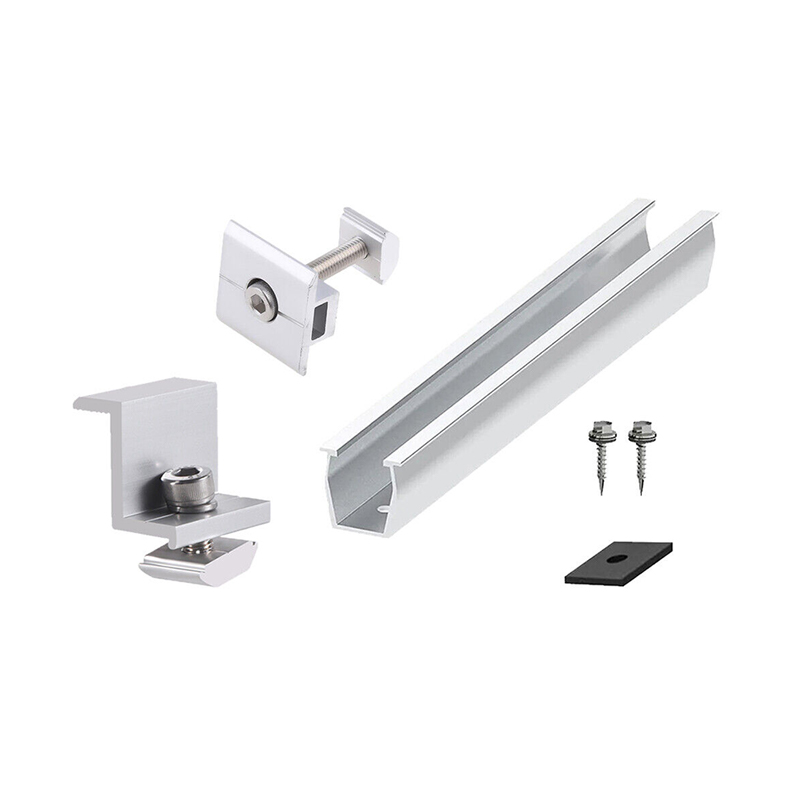
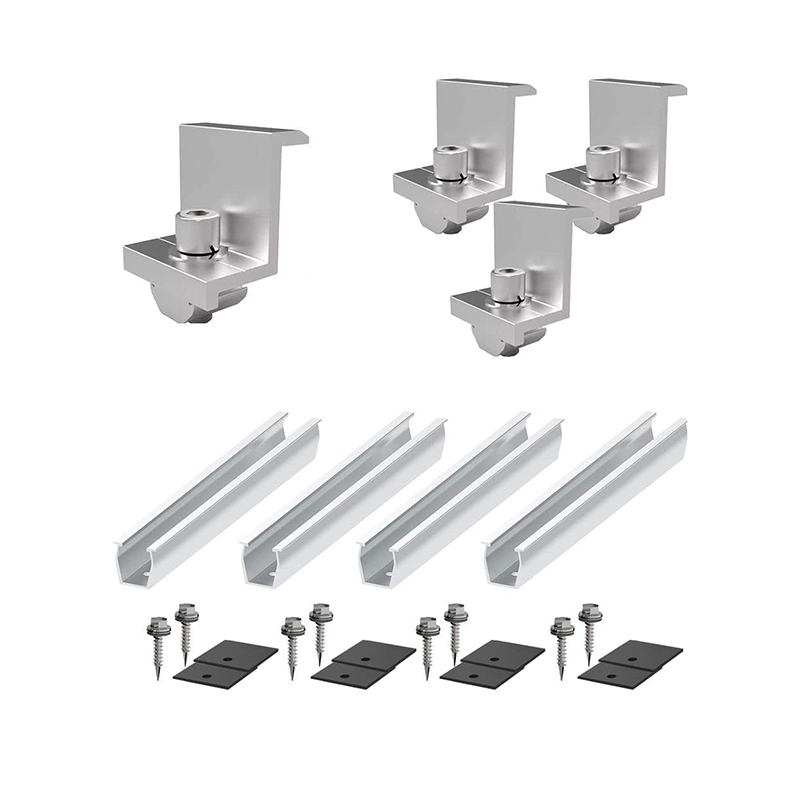

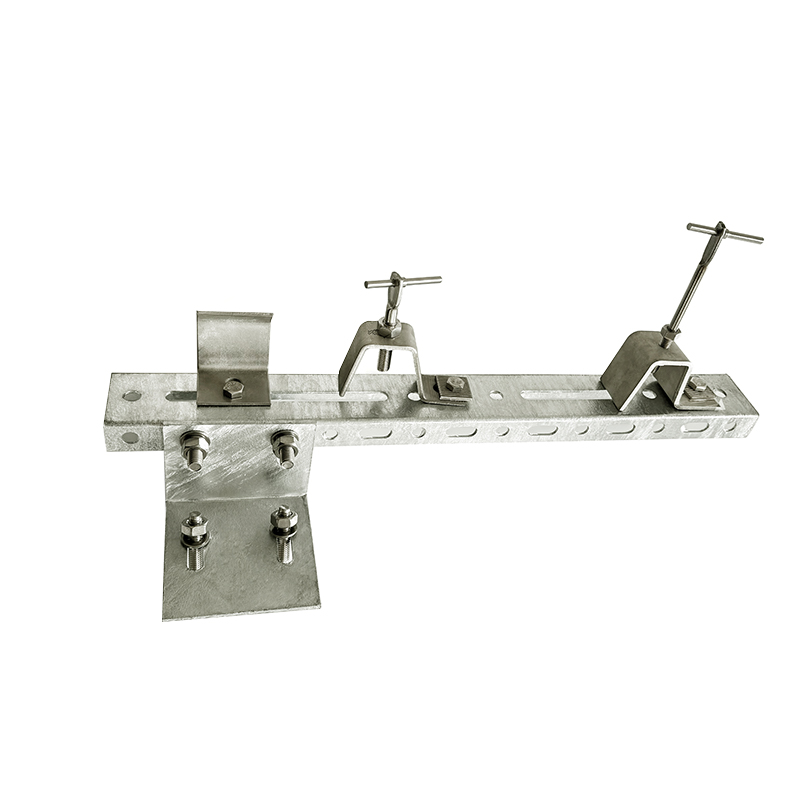
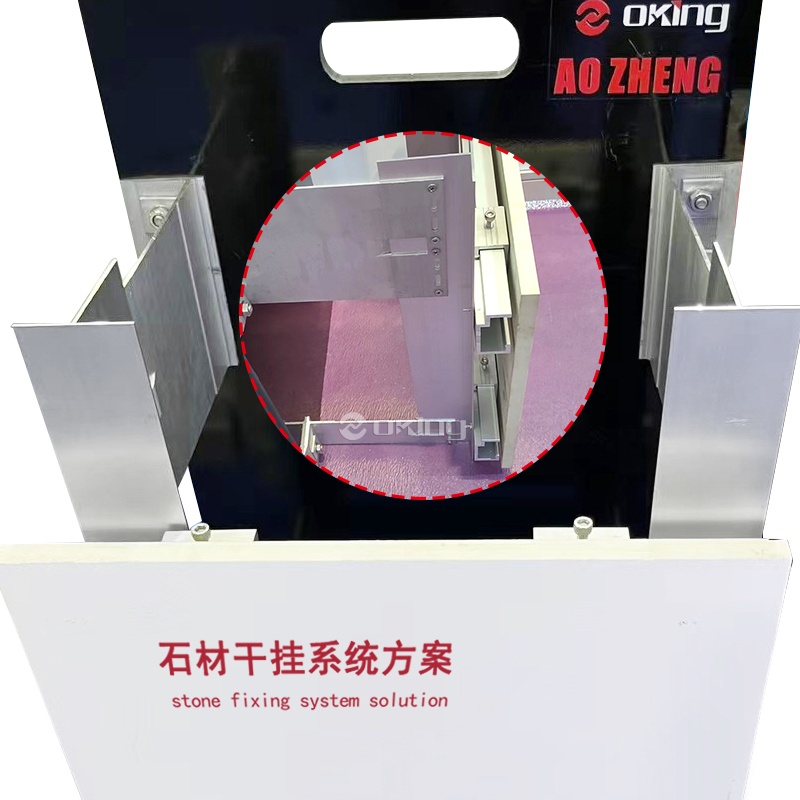
Double Glass Pressure Block, Thin Film Module Side Pressure Solar Photovoltaic Aluminum Bracket
Double glass pressure block, thin-film module side pressure solar photovoltaic a...

+86-15996094444

INQUIRE NOW
Metal photovoltaic (PV) bracket rails and brackets are components used in the installation of solar panel systems. They provide a sturdy framework and support structure for mounting the solar panels on rooftops or ground-mounted systems. The rails and brackets are typically made from durable and corrosion-resistant metals such as aluminum or galvanized steel to withstand outdoor conditions.
PV Bracket Rails: PV bracket rails, also known as mounting rails or mounting channels, are long, horizontal metal bars that serve as the backbone of the solar panel mounting system. They provide a secure base for attaching the solar panels and allow for easy adjustment and alignment.
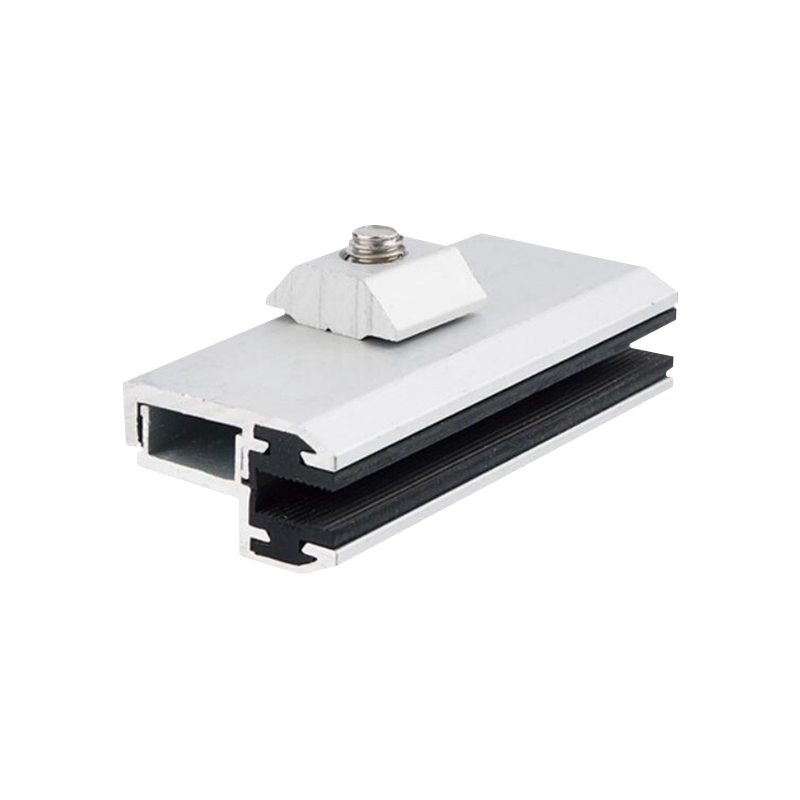
Double glass pressure block, thin-film module side pressure solar photovoltaic a...
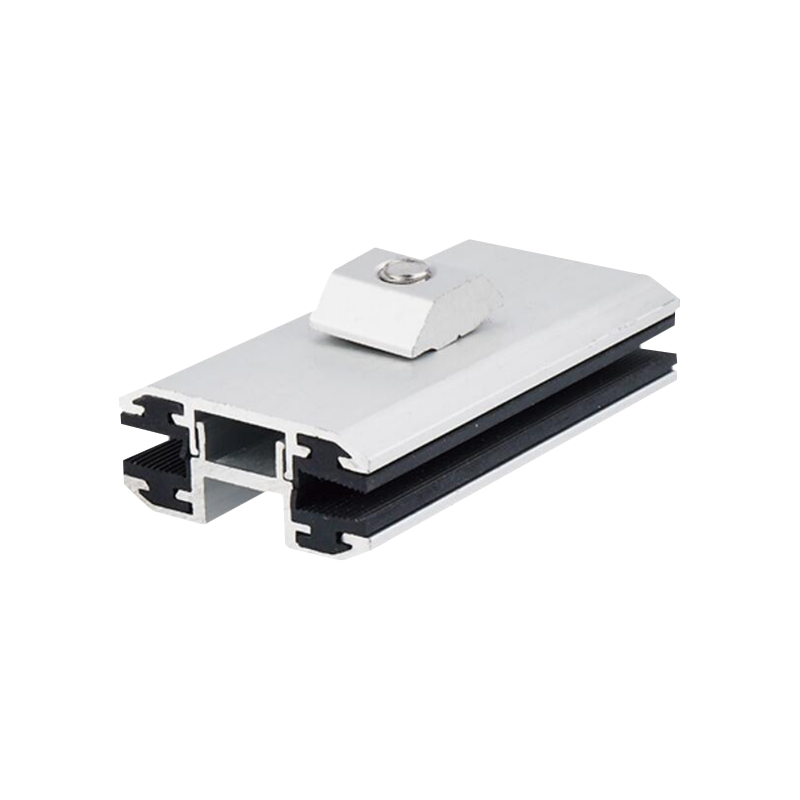
The double-glass press block is an indispensable part of the thin film module. I...
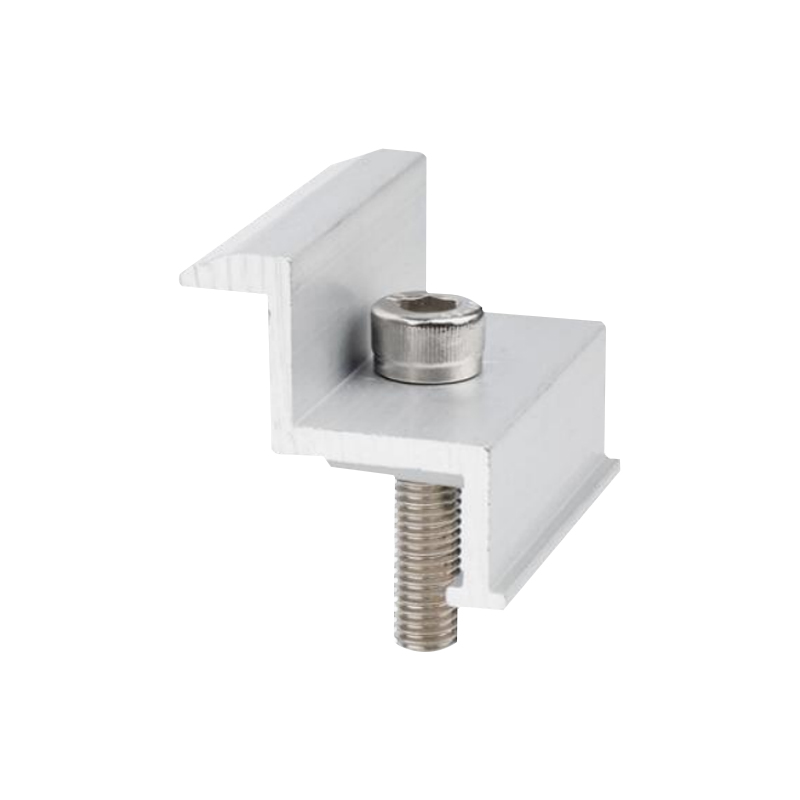
Non-adjustable side voltage and non-adjustable side voltage solar photovoltaic b...
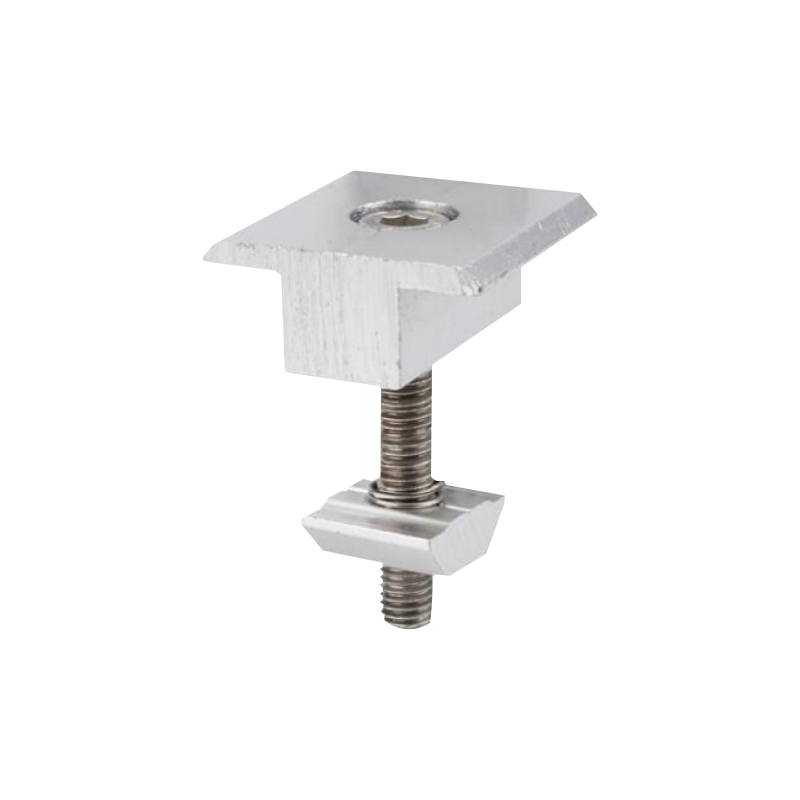
The medium voltage in solar photovoltaic bracket accessories is an important com...
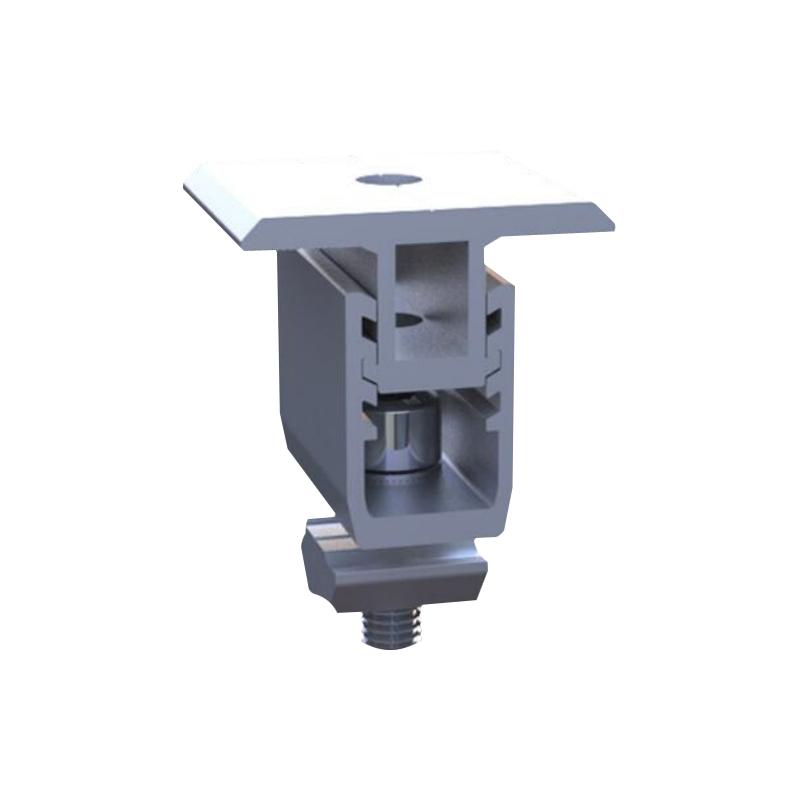
Solar photovoltaic bracket roof adjustable medium voltage 35-50mm photovoltaic a...
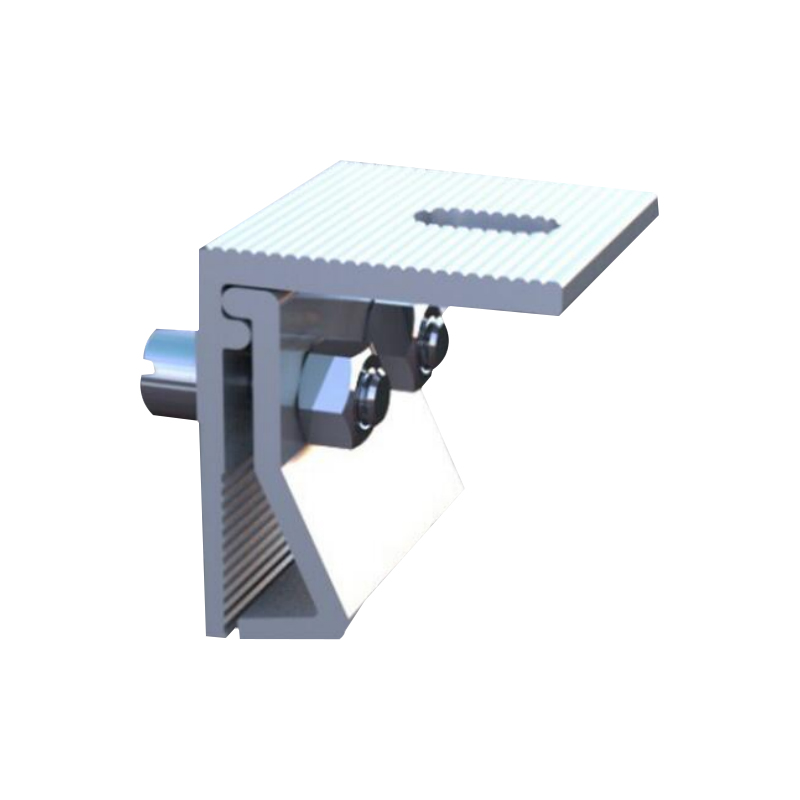
Solar photovoltaic brackets and accessories are an indispensable part of the sol...
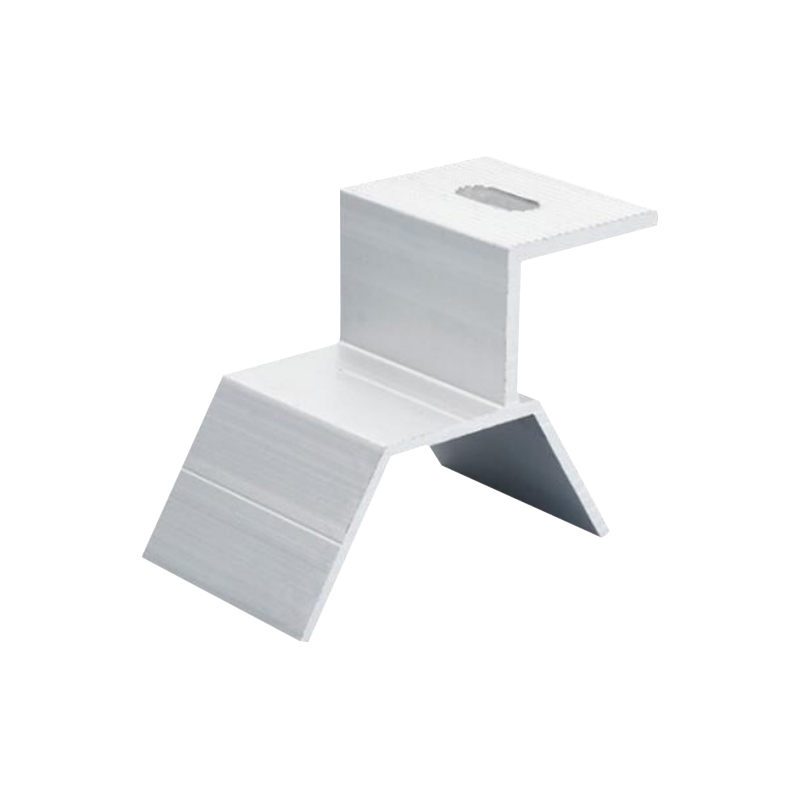
Solar photovoltaic brackets and accessories are an indispensable part of the sol...
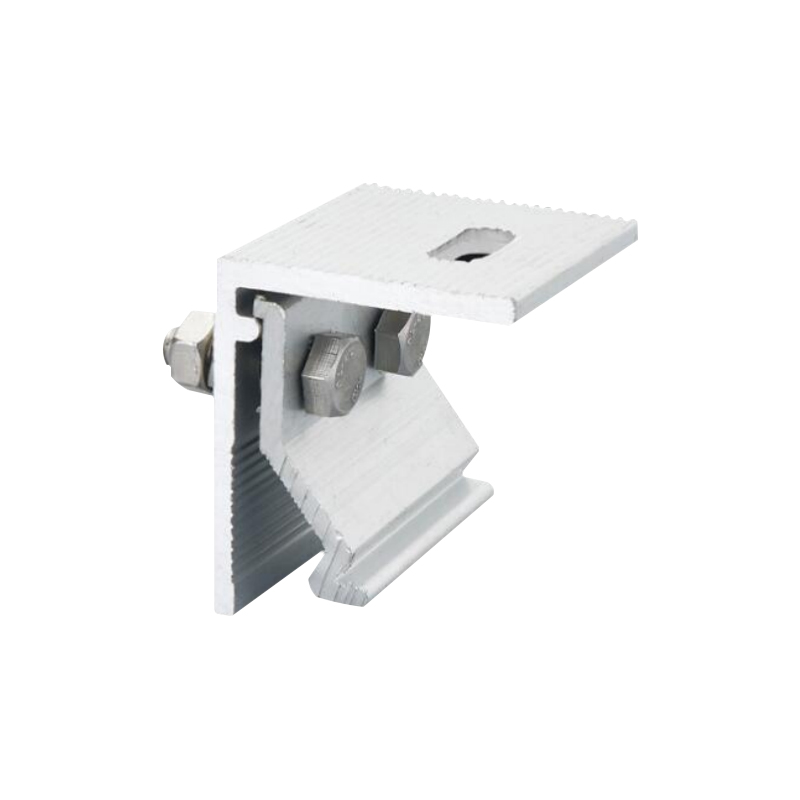
The upright locking clamp is a special clamp that adopts a parallelogram structu...
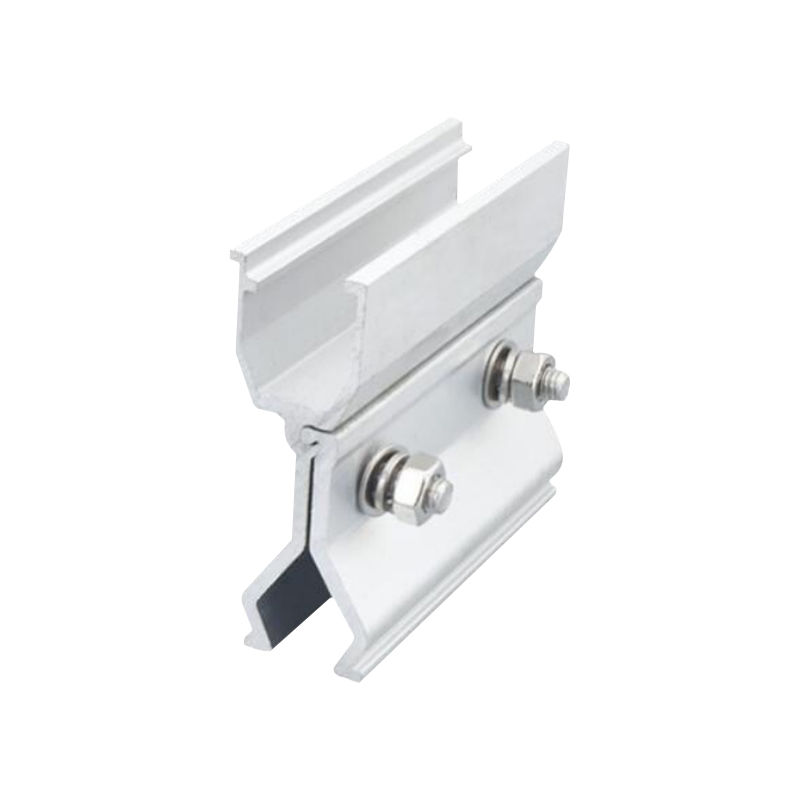
The guideless corner clamp is an innovative accessory specially designed for sol...
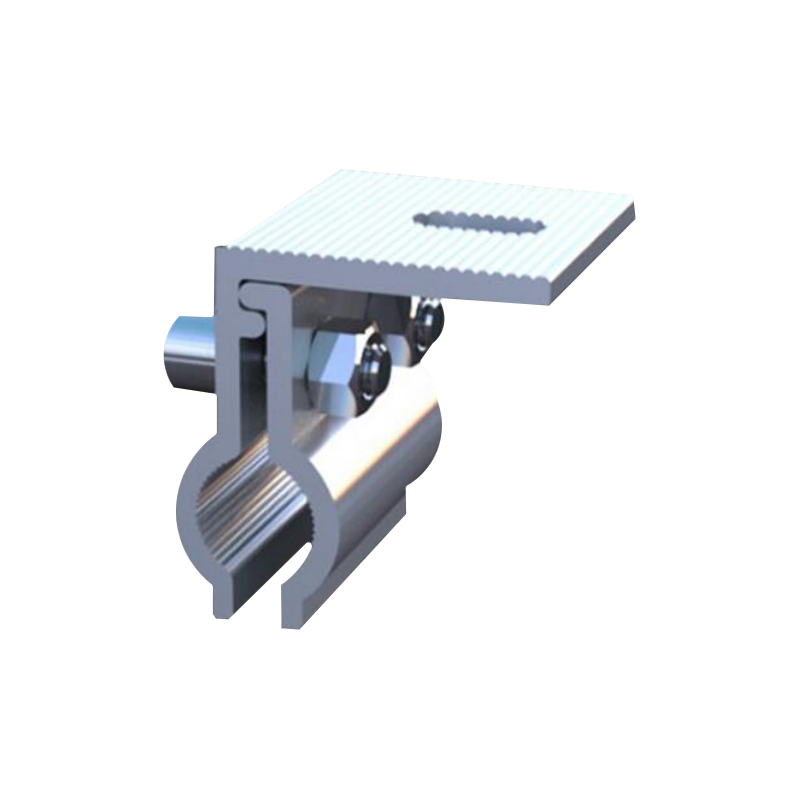
The distributed solar photovoltaic bracket circular clamp is a support tool spec...
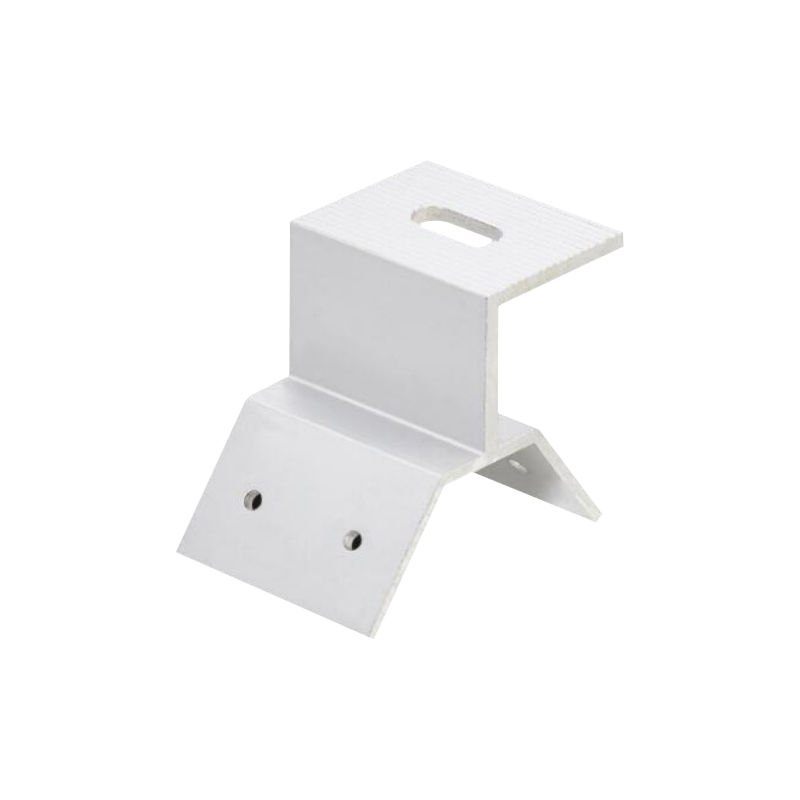
The color steel tile photovoltaic bracket trapezoidal clamp is a photovoltaic br...
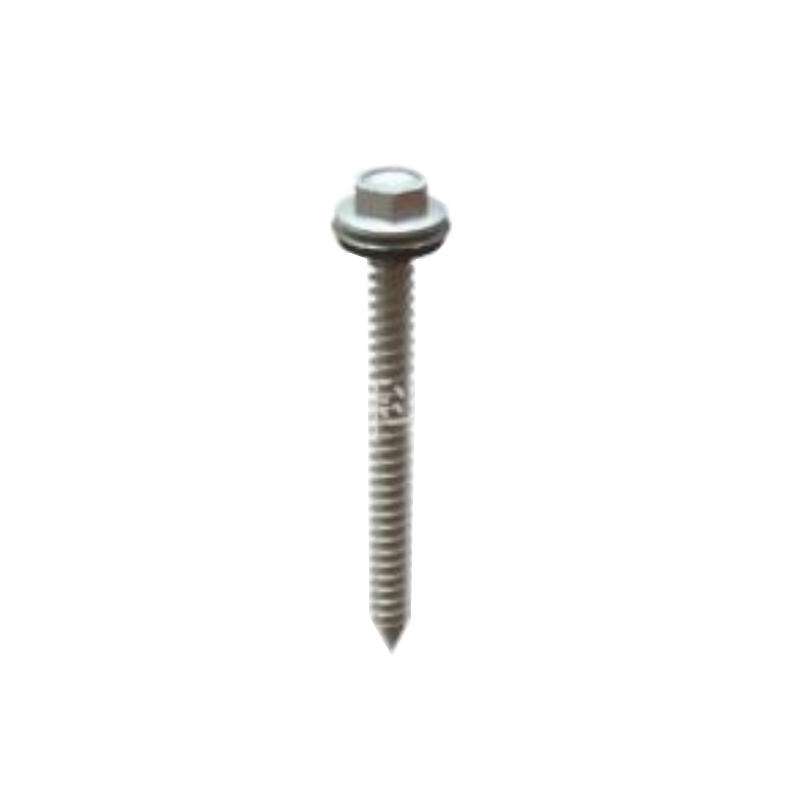
Wood screw solar photovoltaic bracket accessories and glazed tile roof photovolt...
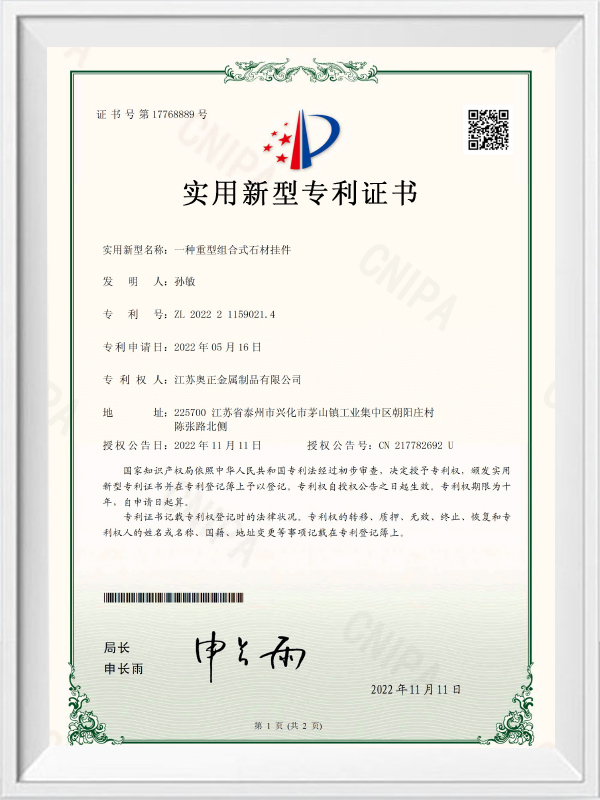
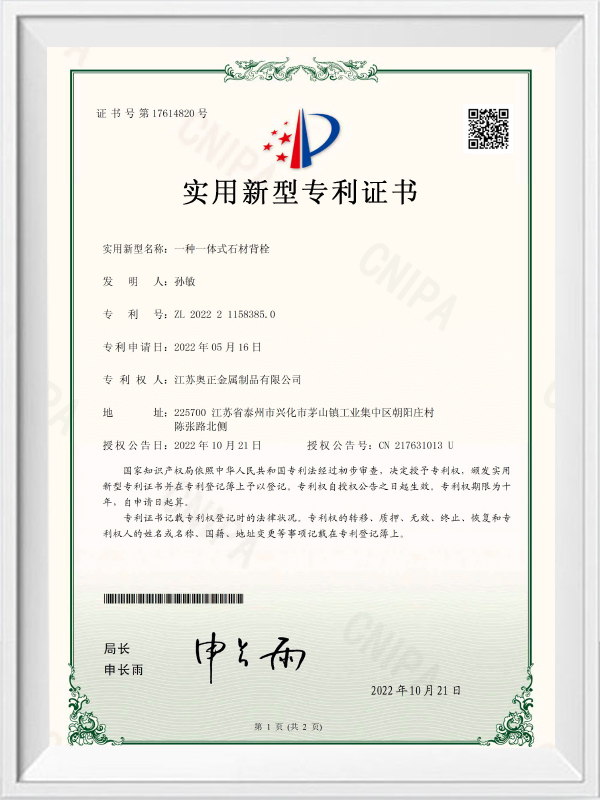
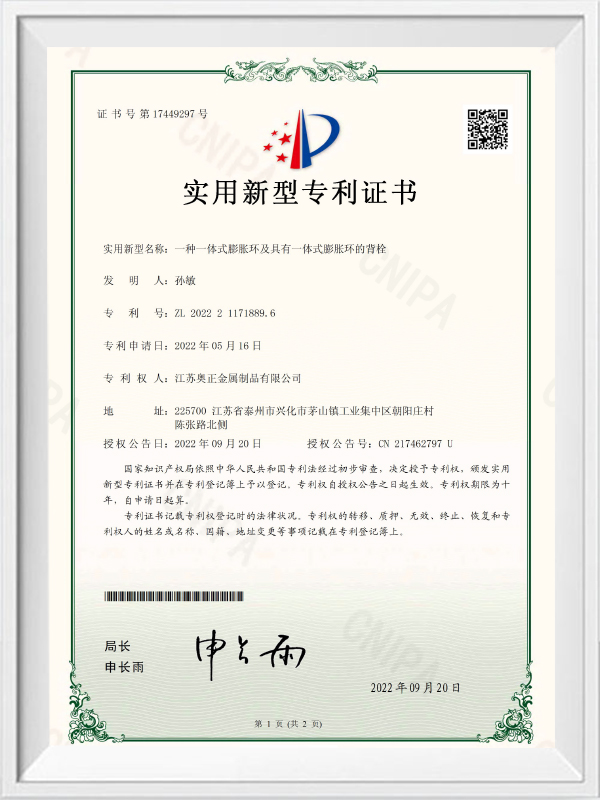
Jiangsu Aozheng Metal Products Co., Ltd. Is China Metal Roof Solar Clamps Manufacturers and Custom Metal Roof Solar Clamps Exporters. We Are a combination of industry and trade enterprises, is committed to the production of ODM/OEM stainless steel, aluminum alloy, carbon steel, and low alloy steel materials, architectural hardware, the use of advanced automated cutting, stamping, and welding processes, raw materials molding and machining plant in one, based on high quality and high-end market, the annual production of various types of building materials 2000 tons, mainly exported to the United States, Germany, Italy, Britain, South Korea, Australia, Canada, the Middle East and dozens of countries, with customers including large construction companies, including well-known construction team, has become their building materials in the Middle East, with an annual production of more than 2000 tons of various building materials, mainly exported to dozens of countries such as the United States, Germany, Italy, the United Kingdom, South Korea, Australia, Canada, the Middle East, etc., and cooperating with large-scale construction companies.



In modern architectural engineering, the envelope of a building is no longer just a structural boundary but a high-performance skin. The Terracotta Fa...
READ MOREIn the pursuit of net-zero building standards, the building envelope plays a pivotal role in determining a structure's total embodied carbon and opera...
READ MOREIn modern facade engineering, the structural integrity of a building's exterior depends heavily on the sub-frame components. Cladding support brackets...
READ MOREThree days of innovation, connection, and vision at the 2026 International Builders' Show in Orlando — a fitting finale to IBS’s time in this vibrant ...
READ MOREIn the landscape of 2026 urban renewal, the integration of high-performance building envelopes is critical for meeting stringent environmental benchma...
READ MOREThe main types of solar clamps for metal roofs include the following:
Rail Clamps
Features: These clamps are designed to work with the rail system of a metal roof. They secure solar panels to pre-installed rails.
Advantages: Easy installation, flexible adjustment, and the ability to accommodate different panel layouts and angles.
Applicable scenarios: Commonly used in large solar systems or installation environments that require multiple rails.
Bolt Clamps
Features: These clamps are bolted directly to the bolt holes of the metal roof. Bolt clamps usually have a strong fixing force.
Advantages: Suitable for withstanding large wind forces and other external pressures, and are stable to install.
Applicable scenarios: Suitable for environments that require high-strength fixing, especially installations under extreme climate conditions.
T-Clamps
Features: T-Clamps are usually fixed to the rails or brackets of the roof using T-bolts. They can provide strong fixing.
Advantages: Relatively simple to install and adjust, and provide good stability.
Applicable scenarios: Suitable for scenarios that require quick installation and adjustment.
Corner Clamps
Features: This clamp is used to provide additional fixing support at the corners of solar panels.
Advantages: Enhance the fixing force of the corners to prevent the displacement of the panels due to factors such as wind.
Applicable scenarios: Suitable for solar panel installations that require additional support.
Mid Clamps
Features: This clamp is used in the middle position between panels to fix solar panels and maintain spacing.
Advantages: Provides uniform pressure distribution and simplifies the installation process of panels.
Applicable scenarios: Suitable for solar systems that require uniform pressure distribution.
There are several factors involved in choosing the right metal roof solar clamp. Here are some key considerations to help you make the right choice:
Roof type and structure
Type of metal roof: Different types of metal roofs (such as standing seam roofs, tile roofs, etc.) may require different clamp designs. Confirm whether the clamp is suitable for your roof type.
Roof pitch and shape: Choose a clamp that can adapt to the roof pitch and shape, and ensure the compatibility of the clamp with the roof structure.
Type of solar panel
Panel size and thickness: Make sure the clamp can support the size and thickness of the solar panel you are using. The design of the clamp should match the specifications of the panel.
How the panel is installed: For example, whether a chute system is used or directly fixed.
Load-bearing capacity
Wind and snow loads: Consider the wind and snow loads that the clamp needs to withstand. Choose a clamp with sufficient load-bearing capacity to ensure the stability of the system under severe weather conditions.
Clamp material
Corrosion resistance: Choose corrosion-resistant materials (such as aluminum alloy or stainless steel) to ensure the durability of the clamp in long-term use.
Material quality: Make sure the material quality of the fixture meets the standards to prevent safety issues caused by material deterioration.
Installation requirements
Ease of installation: Choosing a fixture that is easy to install and adjust can save installation time and cost.
Professional installation: If the fixture is complex to install, you may need to seek professional installation services to ensure the correct installation of the fixture and the stability of the system.
Compatibility and standards
Building regulations: Make sure the fixture meets local building regulations and standards to avoid problems caused by non-compliance.
System compatibility: Confirm the compatibility of the fixture with other system components (such as brackets, tracks).
We will wholeheartedly provide you with high quality products, reasonable price, on-time delivery and attentive service.
Maoshan Taiwan Business Industrial Park, Dinan Town, Xinghua City, Jiangsu Province, China

+86-523-82799922

+86-15996094444

+86-523-82799933


Copyright © Jiangsu Aozheng Metal Products Co., Ltd. All Rights Reserved.

