-
 Tel:
Tel:+86-15996094444
-
 E-mail:
INQUIRE NOW
+86-15996094444
INQUIRE NOW

Article Directory
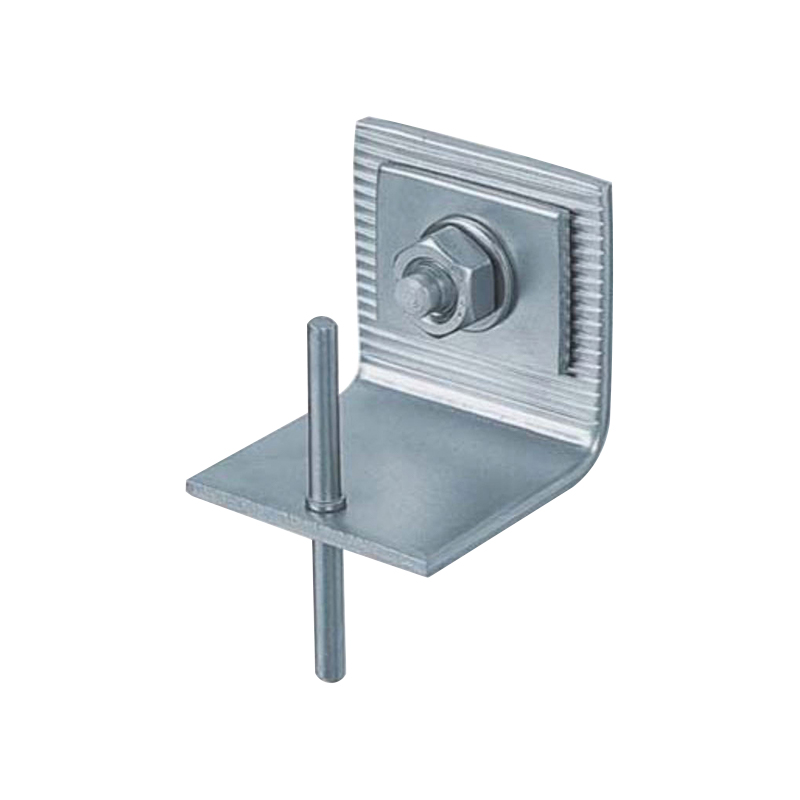
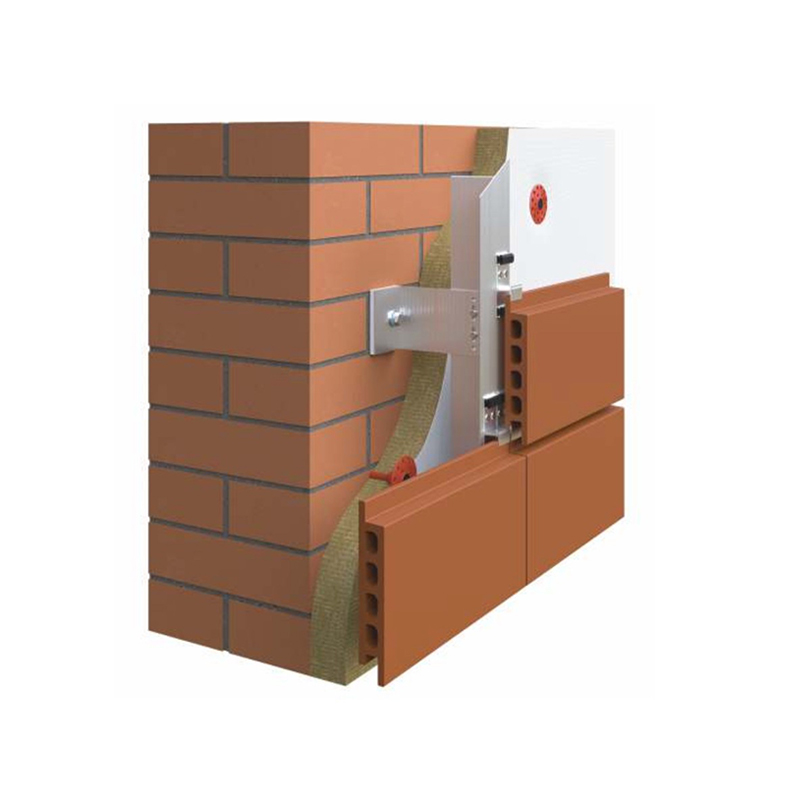
Specifying the wrong L bracket for facade wall systems is one of the most consequential errors in cladding installation — it affects structural integrity, weatherproofing, long-term maintenance costs, and building code compliance simultaneously. This guide answers the four questions structural engineers, facade contractors, and procurement teams ask most: maximum load capacity, corrosion resistance service life, custom fabrication from client drawings, and on-site alignment adjustment procedure.
The maximum load rating of an L bracket for facade wall applications depends on four variables: the bracket's cross-section geometry, the alloy or steel grade, the fixing pattern into the structural substrate, and the bracket projection (the distance the cladding panel is cantilevered from the wall face).
Across standard aluminium alloy 6063-T5 and 6005A-T6 facade brackets in common commercial cladding projects, load ratings fall in the following ranges:
| Bracket Series | Alloy / Grade | Max Vertical Load | Max Wind (Lateral) Load | Typical Projection |
| Light duty | 6063-T5 aluminium | 1.5 kN | 0.8 kN | 50–120 mm |
| Standard duty | 6005A-T6 aluminium | 3.5 kN | 2.2 kN | 80–200 mm |
| Heavy duty | 6082-T6 aluminium | 8.5 kN | 5.0 kN | 100–350 mm |
| Structural steel | S275 / S355 hot-dip galvanised | 18+ kN | 12+ kN | Up to 600 mm |
Bracket projection is the most critical load multiplier. A bracket rated at 8.5 kN vertical load at a 150 mm projection may only be rated at 4.2 kN at 300 mm projection due to the increased bending moment at the wall anchor point. Always consult the manufacturer's load-projection curve, not just the headline load figure, when designing a cladding system.
A correctly specified and installed L bracket for facade wall systems can achieve 50 years or more of effective corrosion resistance — but only when the alloy, surface treatment, and installation environment are matched correctly. Using the wrong alloy or an inadequate coating in a coastal or industrial environment will reduce that figure to under 10 years.
Galvanic corrosion between dissimilar metals is the most frequently overlooked corrosion risk in facade bracket installation. When an aluminium L bracket for facade wall is fixed using carbon steel or zinc-plated bolts, an electrolytic cell forms at each contact point whenever moisture is present. In coastal environments, this can corrode both the bracket and the fastener to structural failure within 5 to 8 years. All fixings in contact with aluminium brackets must be austenitic stainless steel (A2 or A4 grade) with EPDM or neoprene isolation washers between dissimilar metal surfaces.
Yes — most professional facade bracket manufacturers accept client-supplied drawings and produce custom L bracket for facade wall components to exact specification. The fabrication process begins with engineering review of the submitted drawing, followed by tooling or CNC setup, material selection confirmation, prototype production, and structural test sign-off before batch manufacture.
Submit DXF, DWG, STEP, or PDF drawings with full dimensional annotation, specified alloy or steel grade, surface treatment requirement, and design load data. The manufacturer's structural engineer reviews for fabricability and flags any dimensions that would compromise structural integrity or exceed standard extrusion or press-brake capability.
For extruded aluminium profiles, a die is machined to the cross-section profile — typically 4 to 6 weeks lead time for a new die. For press-brake or CNC-machined brackets, tooling time is shorter: 1 to 2 weeks. Material mill certificates and alloy verification are issued with the production order.
A first-article sample is produced and inspected against the original drawing. Dimensional verification is performed to ISO 2768-m tolerances as standard; tighter tolerances to ISO 2768-f are available on request. Structural load testing to the specified design load plus a 1.5x safety factor is conducted and documented before production batch approval.
Approved brackets proceed to batch production. Surface treatment — anodising, powder coating, or hot-dip galvanising — is applied after fabrication. Pre-drilled fixing holes, slotted adjustment holes, and thermal break cut-outs are machined to drawing specification before coating to avoid coating damage from on-site modification.
Each custom order ships with a full documentation package: material test certificates, coating compliance certificates (QUALICOAT or GSB for powder coat; Qualanod for anodising), dimensional inspection reports, load test results, and a CE-marking Declaration of Performance where required by the destination market.
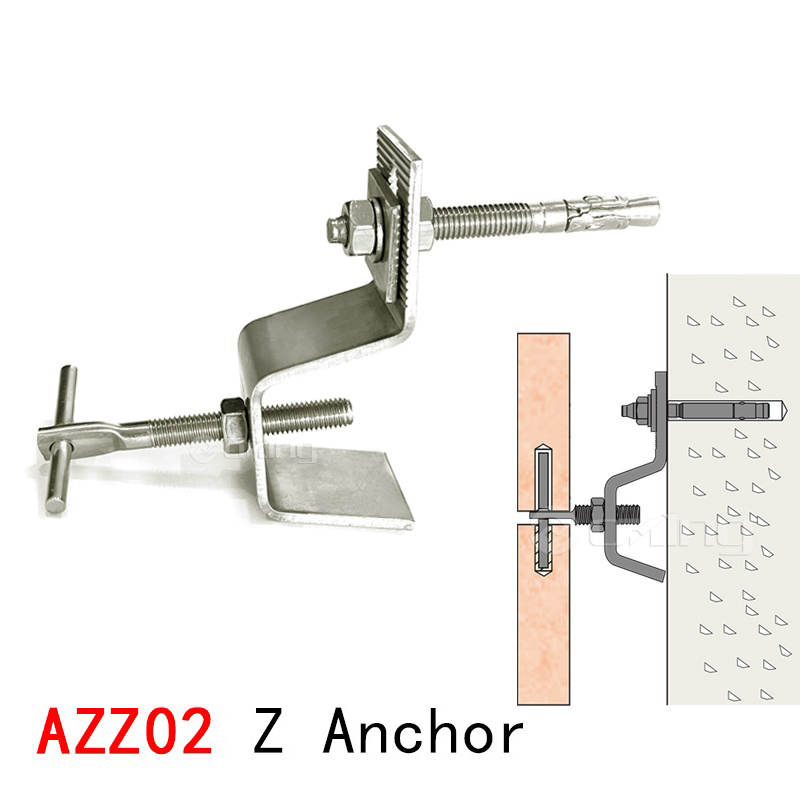
On-site alignment adjustment is one of the most practical requirements in facade installation — structural substrates are never perfectly plumb, level, or true, and cumulative tolerance across a multi-storey facade can exceed 40 mm over a building height of 30 m. A correctly specified L bracket for facade wall system incorporates three-axis adjustment capability to absorb this variation without shimming, cutting, or off-tolerance installation.
Thermal movement must be accounted for during alignment. Aluminium expands at 23 mm per metre per 100°C temperature differential. On a 3.0 m tall cladding panel in a climate with a 60°C temperature range (from winter minimum to peak summer surface temperature), thermal movement reaches approximately 4.1 mm per panel. Slotted connections must not be set at the end of their travel range — a minimum of 5 mm slot travel must remain free in each direction to accommodate thermal expansion and contraction throughout the building's service life.
Standard accepted formats are DXF and DWG for 2D profiles, STEP and IGES for 3D models, and dimensioned PDF for reference. Always include a title block with revision number, specified material and alloy grade, surface treatment, dimensional tolerances, and design load data. Drawings without load data cannot proceed to engineering review without a supplementary load specification document.
Yes — a slotted hole reduces the net cross-section of the bracket at that point, which must be accounted for in the structural calculation. Reputable manufacturers publish load ratings that already incorporate the slotted hole geometry in their section calculations. If you are using a load rating from a catalogue, confirm whether the published figure is for the gross section or the net section at the slot. For heavily loaded brackets, stiffening ribs adjacent to the slot are standard practice.
Yes, but the loading direction changes. In a horizontally oriented panel system, the bracket carries the panel's dead weight in shear at the fixing point. In a vertically oriented system, wind loads are often the governing force rather than gravity. The bracket selection and fixing pattern must be recalculated for each orientation — a bracket correctly sized for a horizontal panel application may be undersized for the same panel in vertical orientation under the governing wind uplift condition in your project's wind zone.
The minimum edge distance for cast-in anchor channels is typically 75 mm from a free concrete edge; for post-installed anchors the minimum is generally 100–150 mm depending on the anchor system and concrete grade. These figures are governed by the anchor manufacturer's ETA (European Technical Assessment) or ICC-ES approval and the applicable version of ETAG 001 or EN 1992-4. Always verify against the specific anchor product's approval document — generic minimum distances do not substitute for anchor-specific design data in a facade engineering calculation.

We will wholeheartedly provide you with high quality products, reasonable price, on-time delivery and attentive service.
Maoshan Taiwan Business Industrial Park, Dinan Town, Xinghua City, Jiangsu Province, China

+86-523-82799922

+86-15996094444

+86-523-82799933


Copyright © Jiangsu Aozheng Metal Products Co., Ltd. All Rights Reserved.
 English
 русский
 Español
 عربى
عربى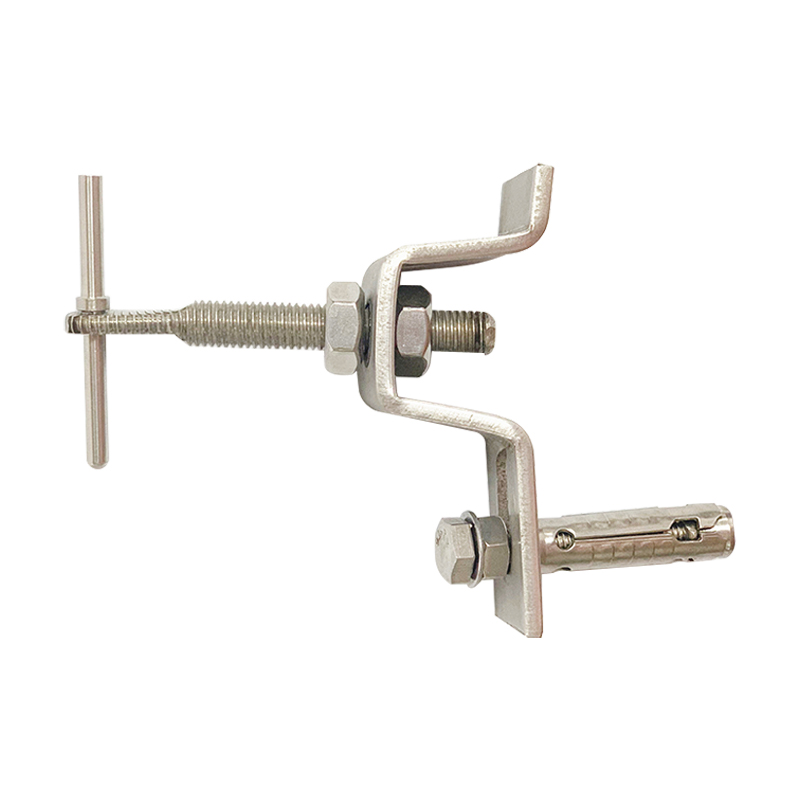


Contact Us