 English
 русский
 Español
 عربى
عربى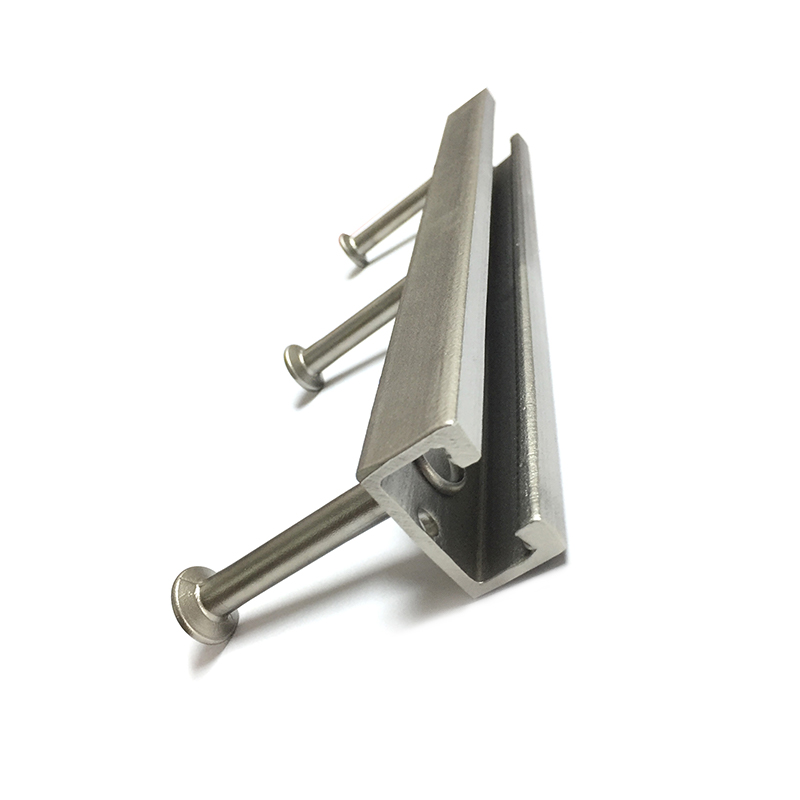

Why Undercut Anchoring Is the Hidden Strategy Dominating Modern Markets
Understanding the Power of Undercut Anchoring in Pricing Strategies Undercut anc...

+86-15996094444

INQUIRE NOW

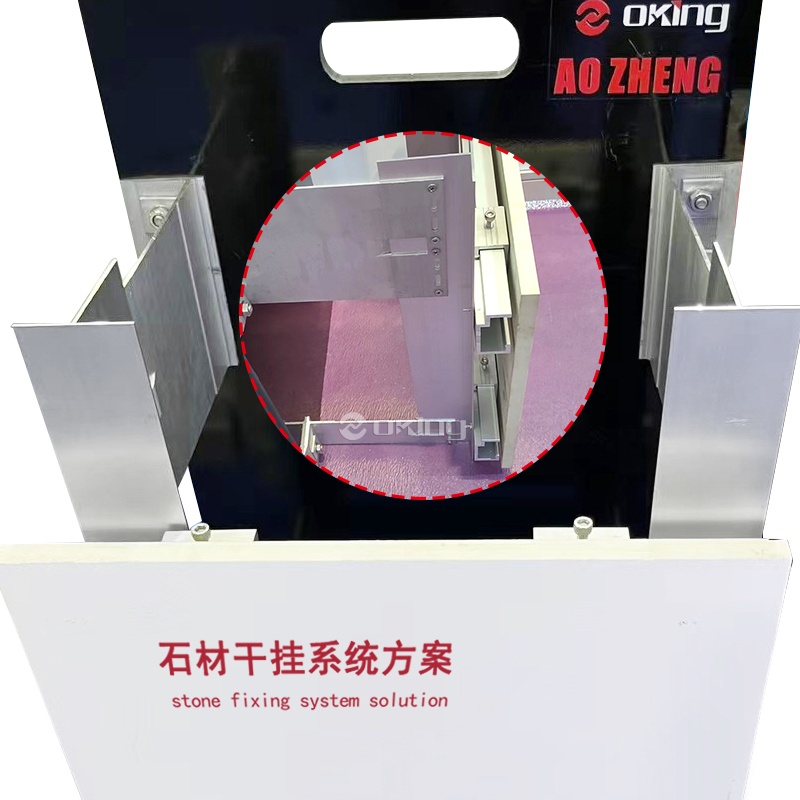
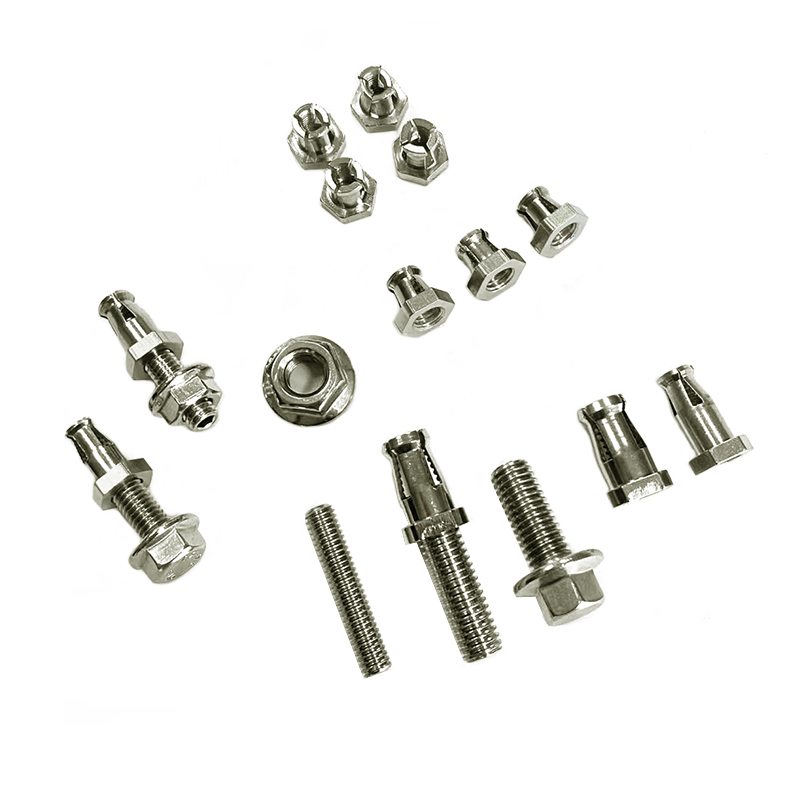
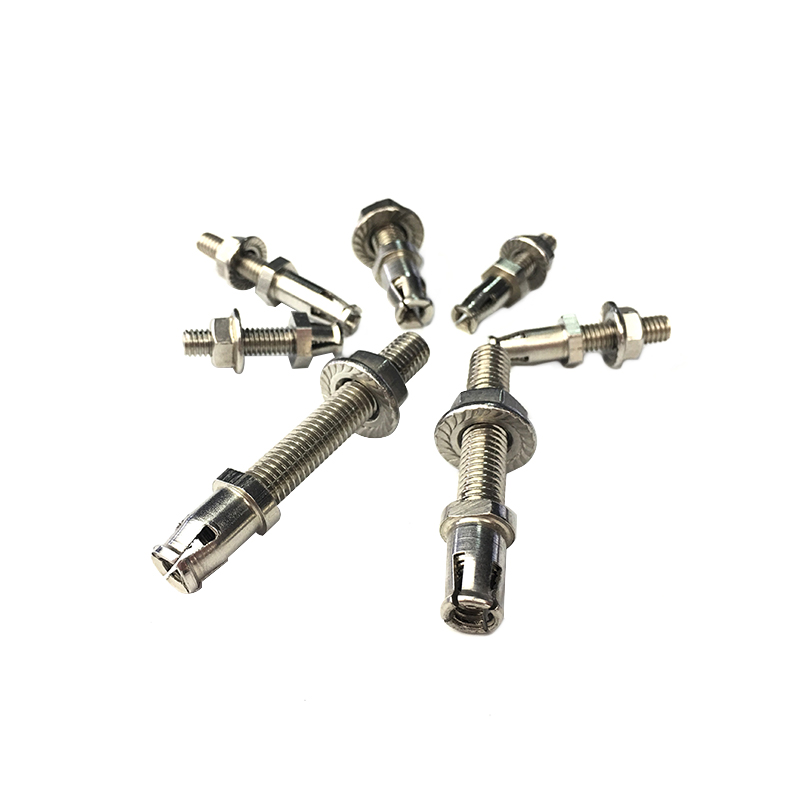
Screw-in-undercut is a type of fastener commonly used to secure objects to concrete, masonry, or other thin panel. It is designed to provide reliable and strong anchoring in applications where high load-bearing capacity is required. During installation, the anchor is inserted into a pre-drilled hole in the material. As the anchor screwed into the hole, the tapered end forces the material to expand, creating a tight fit. The undercuts or grooves on the anchor engage with the material, preventing the anchor from rotating or pulling out.
Understanding the Power of Undercut Anchoring in Pricing Strategies Undercut anc...
Screw-in undercut anchors are a sophisticated and reliable fastening solution, ...
Detachable rotary back bolt anchoring material is a new kind of curtain wall, ma...
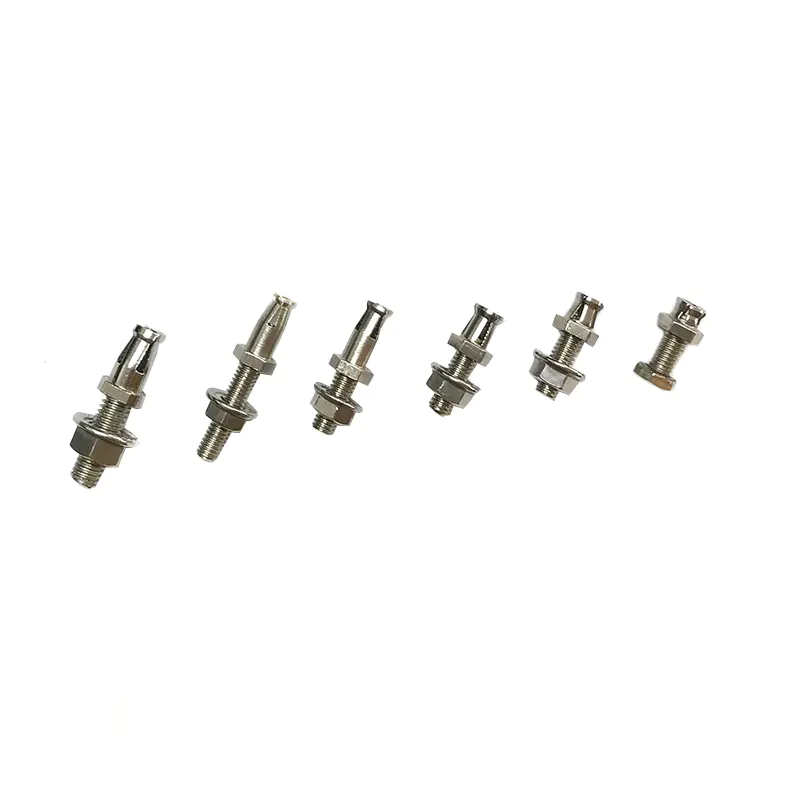
Detachable rotary back bolt anchoring material is a new kind of curtain wall, ma...
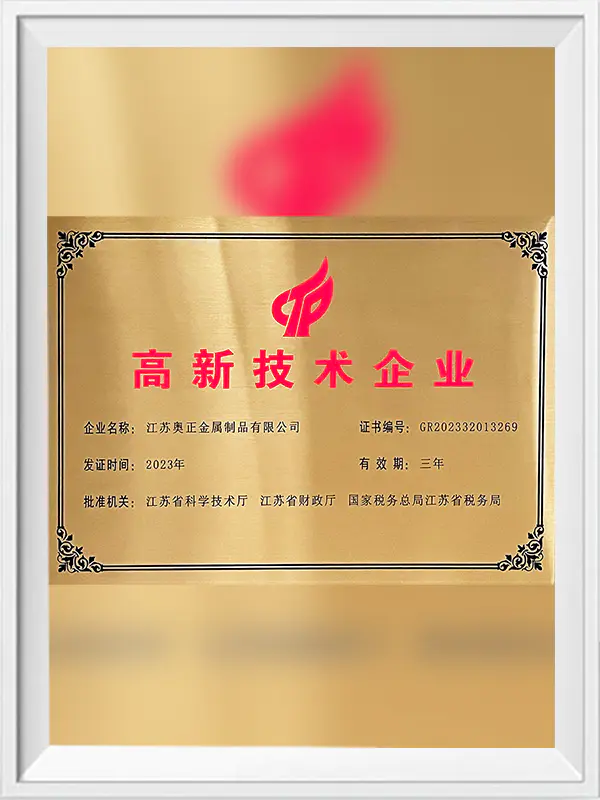
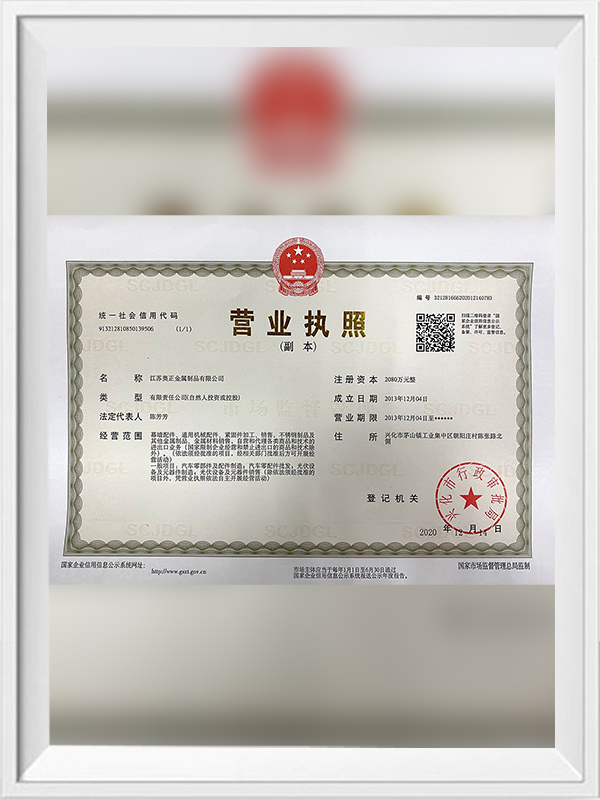
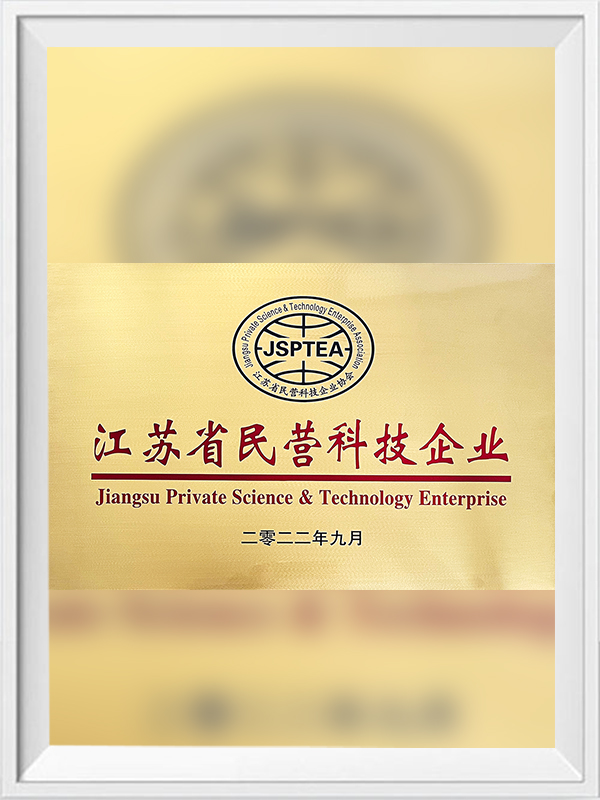
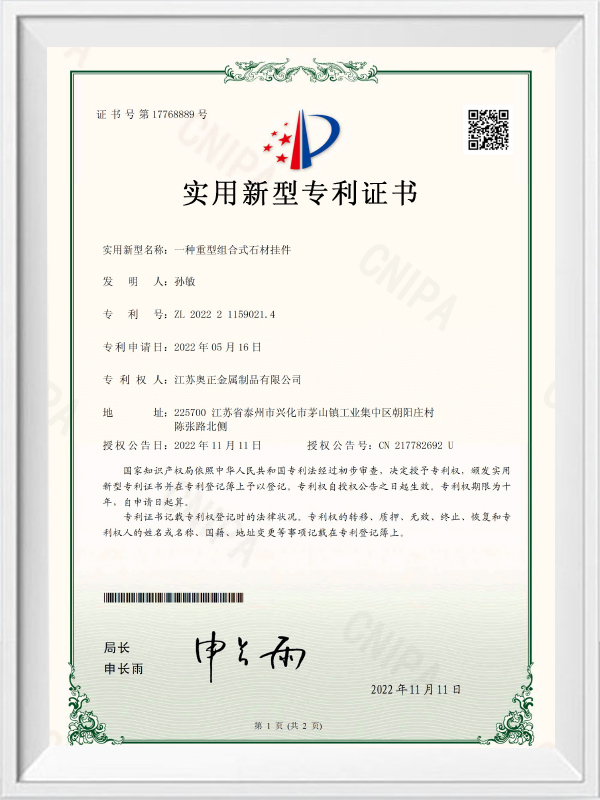
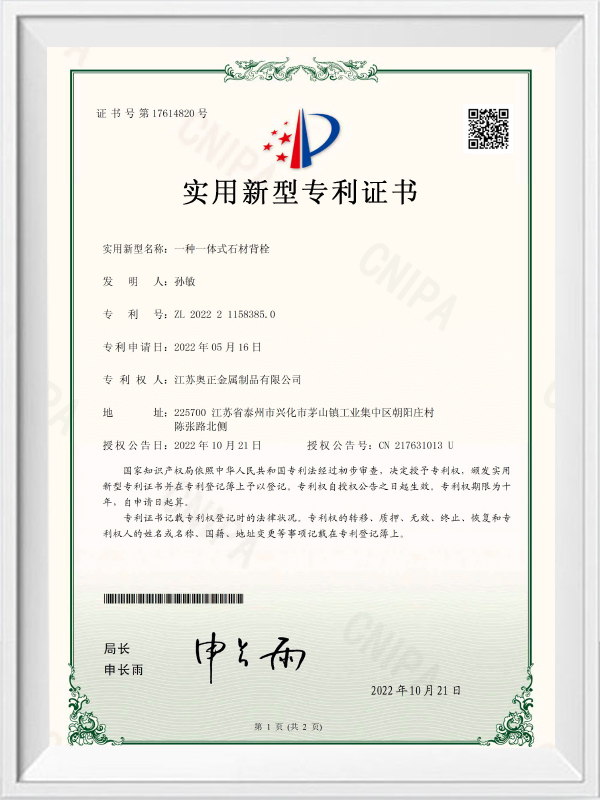
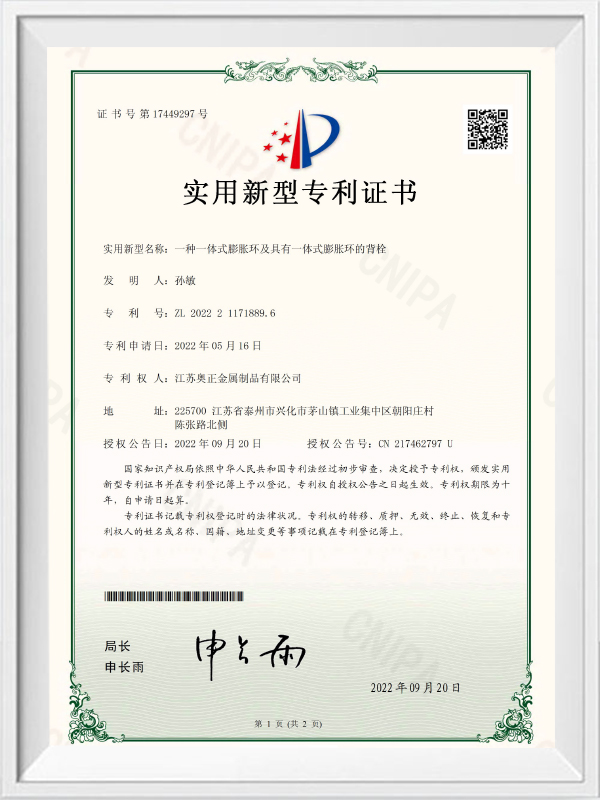
Jiangsu Aozheng Metal Products Co., Ltd. Is China Screw-In-Undercut Anchor Manufacturers and Custom Screw-In-Undercut Anchor Exporters. We Are a combination of industry and trade enterprises, is committed to the production of ODM/OEM stainless steel, aluminum alloy, carbon steel, and low alloy steel materials, architectural hardware, the use of advanced automated cutting, stamping, and welding processes, raw materials molding and machining plant in one, based on high quality and high-end market, the annual production of various types of building materials 2000 tons, mainly exported to the United States, Germany, Italy, Britain, South Korea, Australia, Canada, the Middle East and dozens of countries, with customers including large construction companies, including well-known construction team, has become their building materials in the Middle East, with an annual production of more than 2000 tons of various building materials, mainly exported to dozens of countries such as the United States, Germany, Italy, the United Kingdom, South Korea, Australia, Canada, the Middle East, etc., and cooperating with large-scale construction companies.


In modern architectural engineering, the envelope of a building is no longer just a structural boundary but a high-performance skin. The Terracotta Fa...
READ MOREIn the pursuit of net-zero building standards, the building envelope plays a pivotal role in determining a structure's total embodied carbon and opera...
READ MOREIn modern facade engineering, the structural integrity of a building's exterior depends heavily on the sub-frame components. Cladding support brackets...
READ MOREThree days of innovation, connection, and vision at the 2026 International Builders' Show in Orlando — a fitting finale to IBS’s time in this vibrant ...
READ MOREIn the landscape of 2026 urban renewal, the integration of high-performance building envelopes is critical for meeting stringent environmental benchma...
READ MORE1. Climate characteristics of the Middle East
The Middle East mainly has a tropical desert climate, which is characterized by hot and dry weather all year round, strong sunshine, and extreme weather phenomena such as sandstorms. This climate places extremely high demands on building materials and fixings, especially in terms of high temperature resistance, wind and sand resistance, and corrosion resistance.
2. Architectural characteristics of the Middle East
The architectural styles in the Middle East are diverse, but generally focus on shading, heat insulation and ventilation. Sunscreen materials and shading equipment are often used on the facades of buildings to reduce indoor temperatures. At the same time, due to the influence of religious culture in the region, rich symbols and decorative elements are also incorporated into architectural design. In addition, with the acceleration of urbanization, high-rise buildings and large public buildings are gradually increasing, and the performance requirements for building fixings are also higher.
3. Special designs or considerations of Screw-In-Undercut Anchor
1. Selection of high-temperature resistant materials
In view of the high temperature environment in the Middle East, the Screw-In-Undercut Anchor should give priority to high-temperature resistance in material selection. High-strength, high-temperature-resistant stainless steel or alloy steel is usually selected as raw material to ensure that the anchor bolt can maintain stable mechanical properties and corrosion resistance at high temperatures.
2. Anti-wind and sand design
The Middle East is prone to frequent sandstorms, which poses a challenge to the fixing effect of anchor bolts. Therefore, the Screw-In-Undercut Anchor needs to consider increasing its anti-wind and sand performance when designing. For example, by optimizing the head design and thread structure of the anchor bolt, its anchoring force in a sandstorm environment can be improved; at the same time, an anti-corrosion coating or special treatment is applied to the surface of the anchor bolt to resist the erosion of the anchor bolt by sandstorms.
3. Anti-corrosion treatment
The climatic conditions in the Middle East are prone to corrosion of metal materials, so the Screw-In-Undercut Anchor needs to be strictly anti-corrosion treated during production and installation. This includes painting with high-quality anti-corrosion paint, hot-dip galvanizing or other effective anti-corrosion technologies. These measures can significantly improve the corrosion resistance of the anchor bolt and extend its service life.
4. Adaptable installation process
The diverse building structures and materials in the Middle East require the Screw-In-Undercut Anchor to be highly adaptable during installation. Therefore, it is necessary to develop and improve installation processes and technical specifications suitable for different building structures and materials. For example, for different base materials such as concrete structures, brick walls or stones, corresponding installation methods and steps need to be formulated; at the same time, it is also necessary to consider how to ensure the accuracy and stability of the anchor during installation.
5. Compliance with local standards and regulations
The building codes and regulations in the Middle East have strict requirements for building materials and fixings. Therefore, the Screw-In-Undercut Anchor must strictly comply with local standards and regulations during design, production and installation. This includes obtaining necessary certifications and permits, providing complete technical documentation and test reports, etc. By complying with local standards and regulations, the legality and market acceptance of anchors in the Middle East can be ensured.
In view of the climate and architectural characteristics of the Middle East, the design and application of Screw-In-Undercut Anchor need to take into special consideration the selection of high temperature resistant materials, wind and sand resistant design, anti-corrosion treatment, adaptable installation process and compliance with local standards and regulations. These special designs and considerations will help improve the stability and durability of anchor bolts in the Middle East and meet the needs of the local construction market.

We will wholeheartedly provide you with high quality products, reasonable price, on-time delivery and attentive service.
Maoshan Taiwan Business Industrial Park, Dinan Town, Xinghua City, Jiangsu Province, China

+86-523-82799922

+86-15996094444

+86-523-82799933


Copyright © Jiangsu Aozheng Metal Products Co., Ltd. All Rights Reserved.

